Volunteer Programme
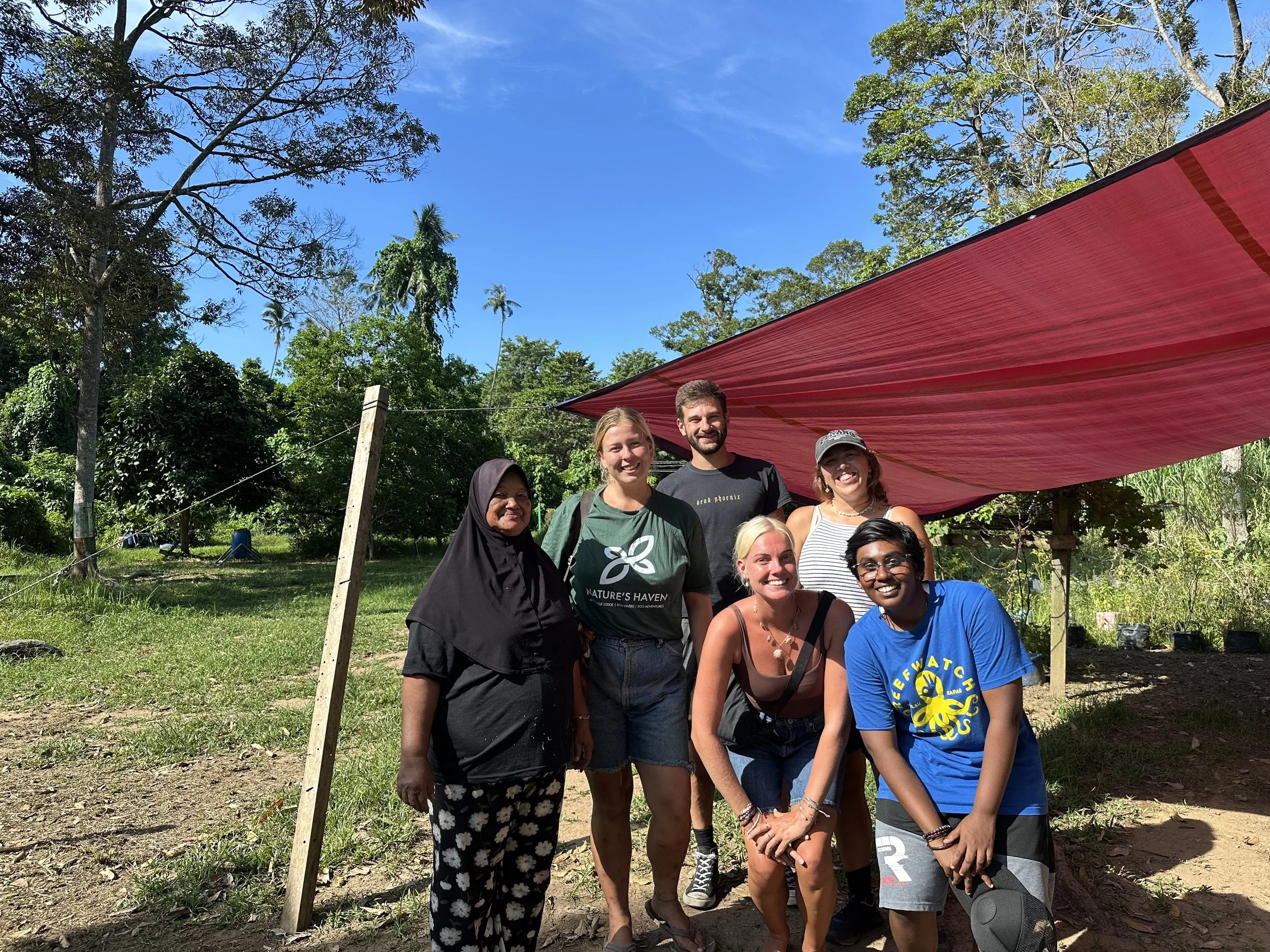
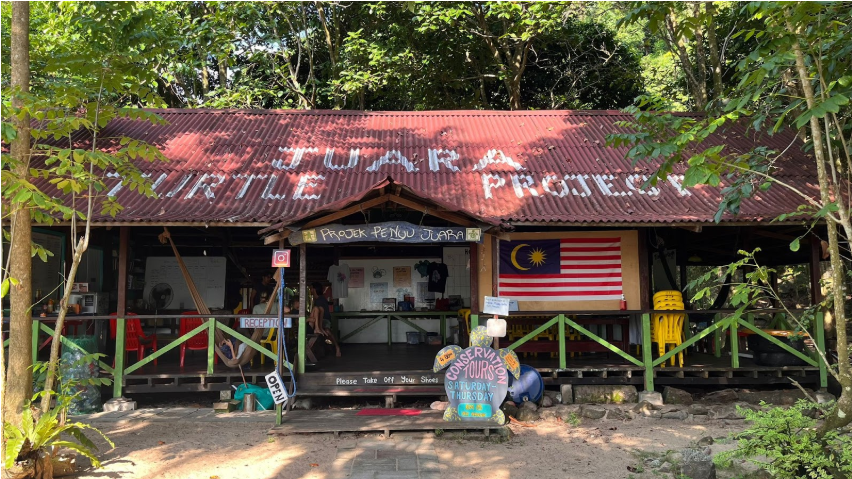
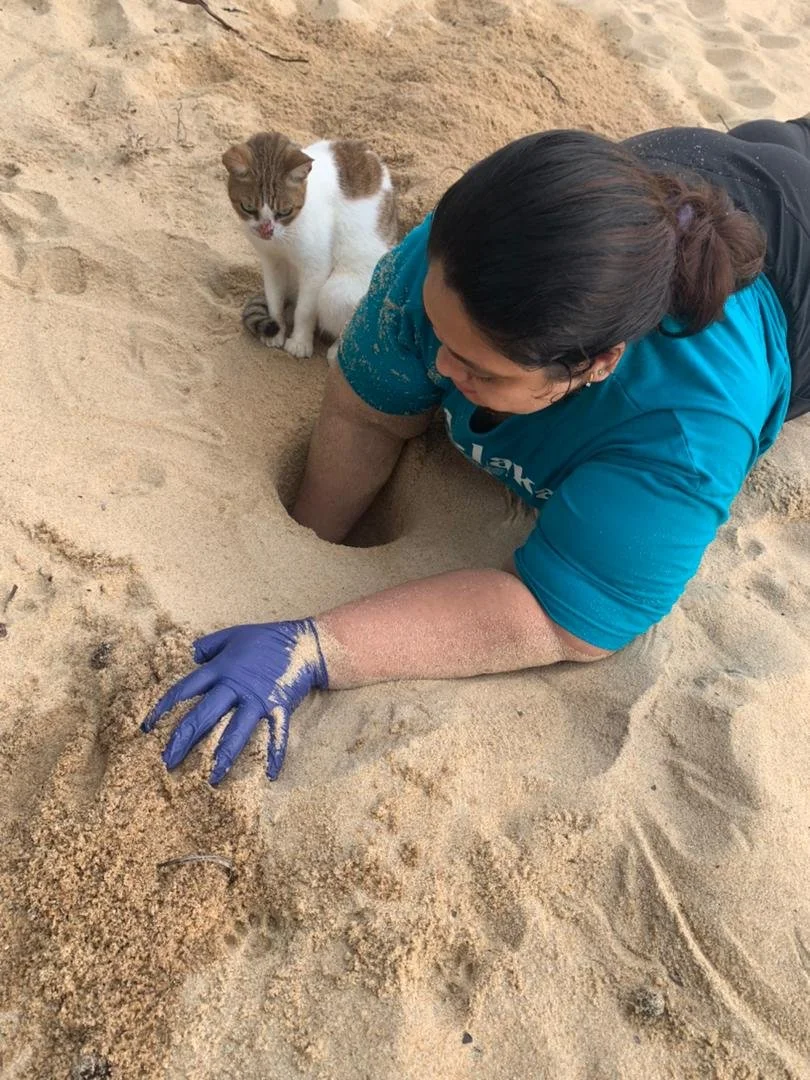
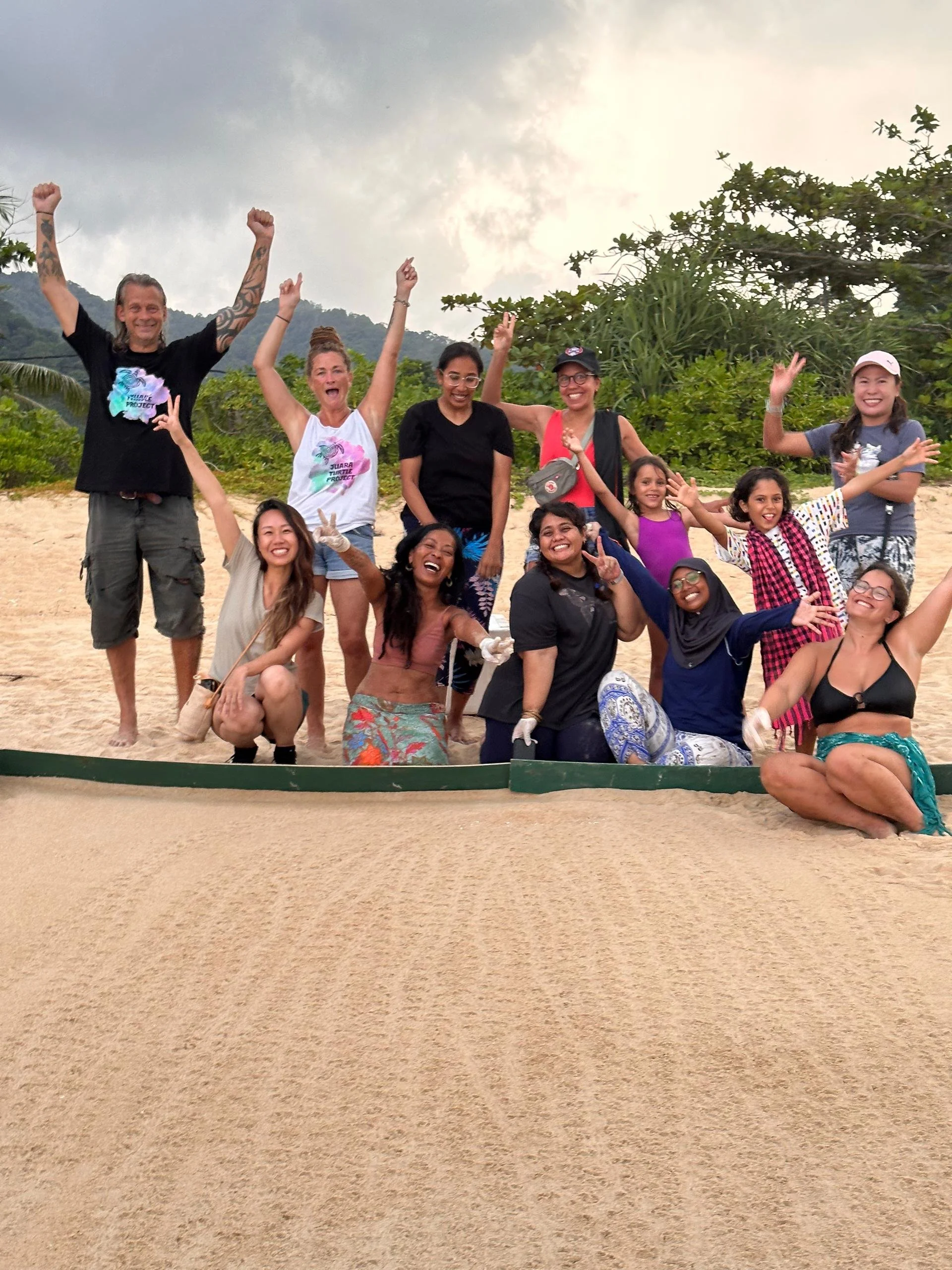
No two days at Juara Turtle Project are the same. Volunteers work alongside our staff, researchers, and local partners on real conservation projects, contributing directly rather than watching from the sidelines.
Our work shifts with the seasons, the weather, and the needs of each project. Whether you stay a week or several months, you become part of the daily life of JTP and the wider Juara community. No previous experience is needed, just curiosity and a willingness to get involved.
What You’ll Do
What You’ll Learn
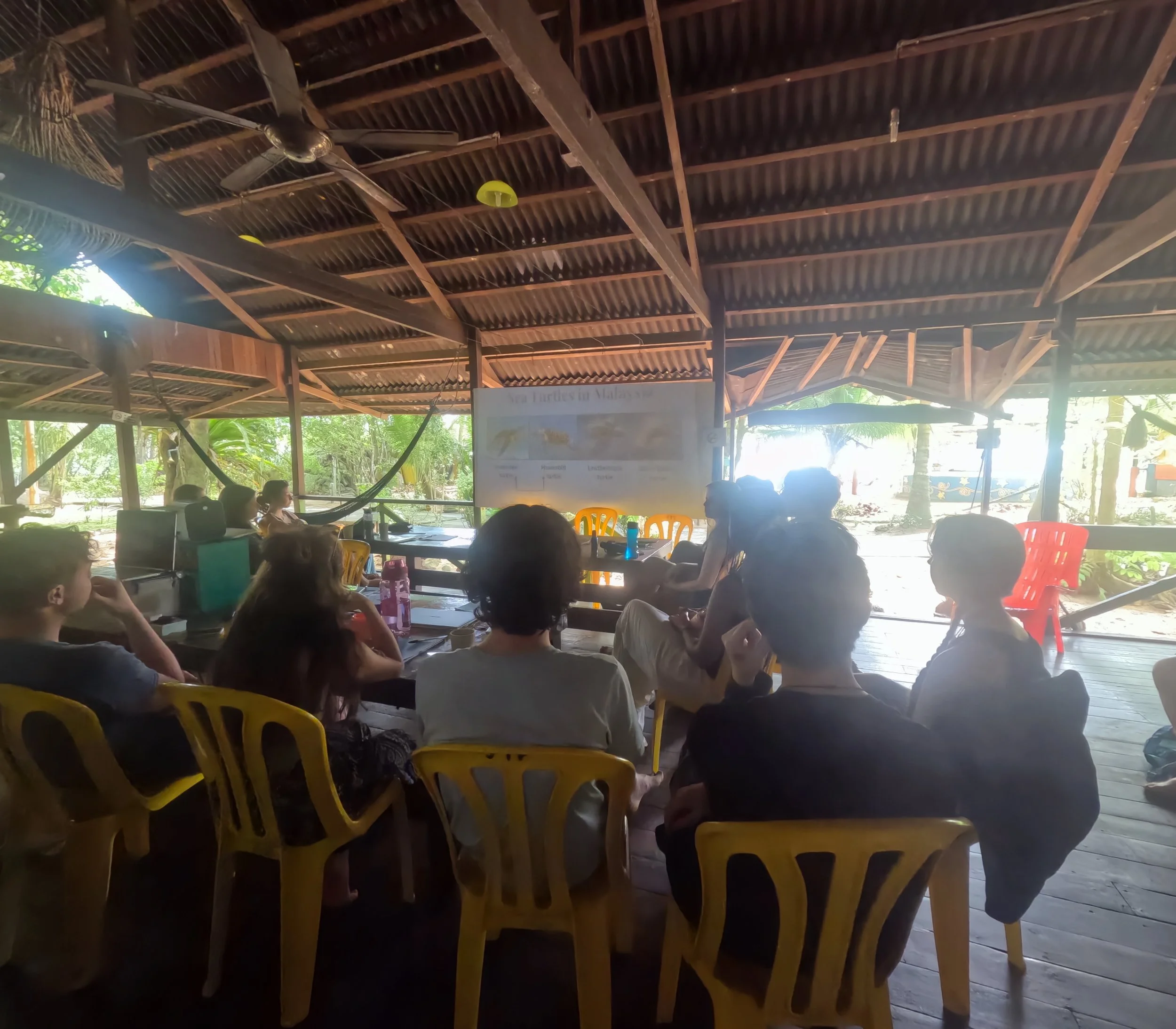
Our team provides training and guidance throughout your stay in:
Sea turtle and coral reef ecology
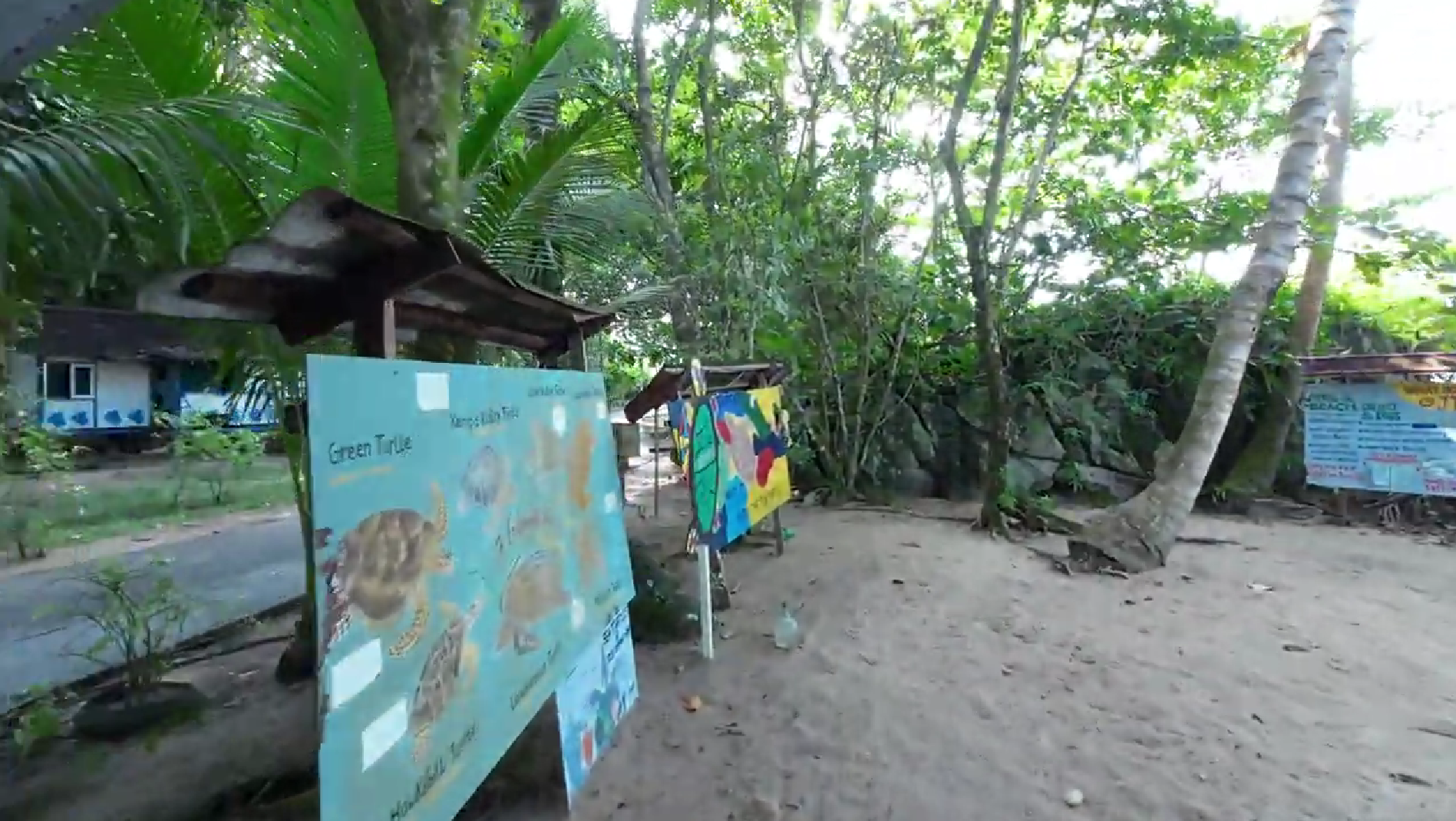
Marine species identification
Survey and data collection methods
Conservation fieldwork and sustainable island management
Environmental education leadership
Learn to dive with us! Get your PADI diving qualifications during your stay with our Add-on options.
Downtime and Recreation
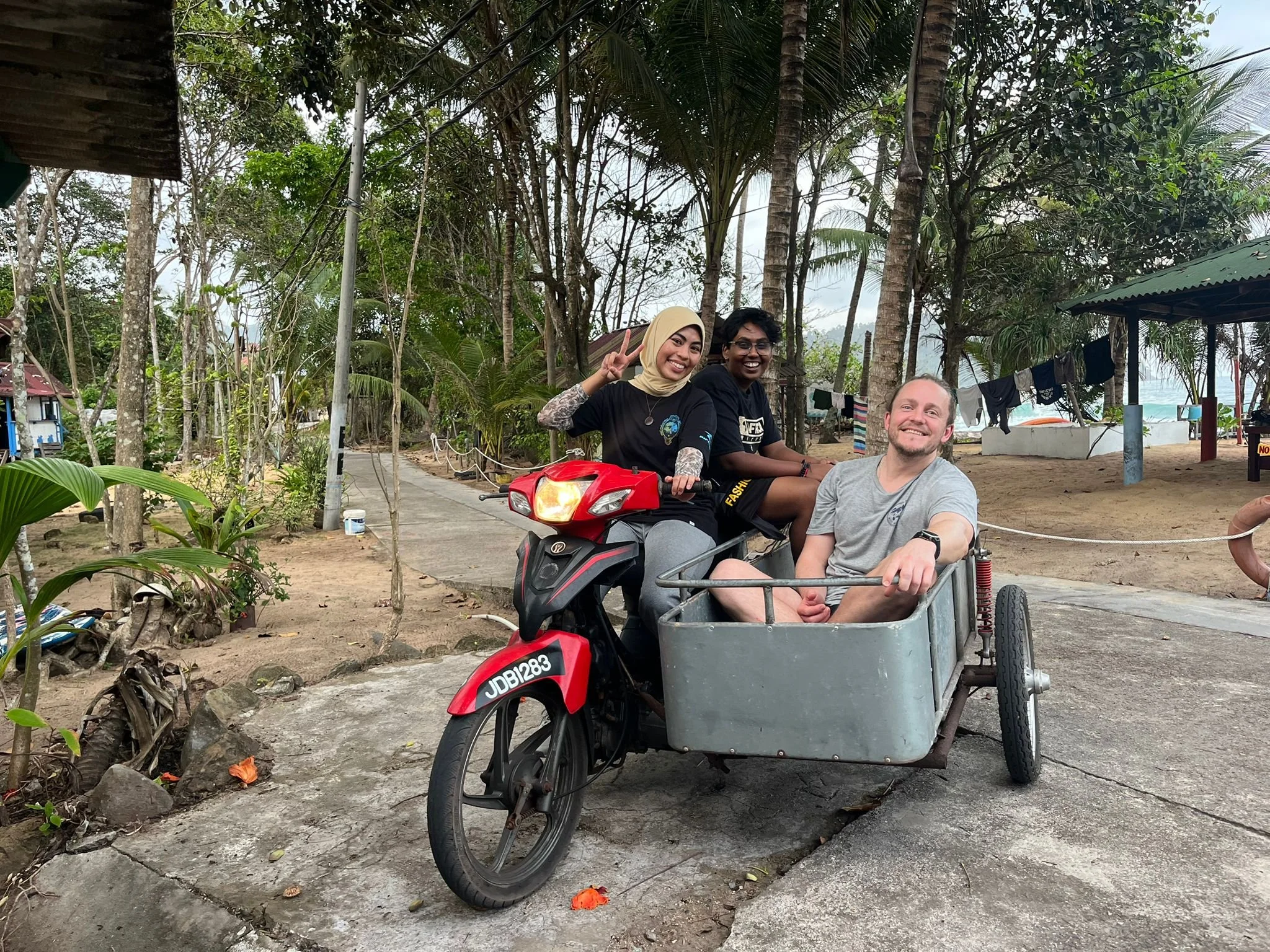
Life at JTP is not all work. In your free time, there is plenty to enjoy:
Swimming and snorkelling
Kayaking
Guided jungle trekking
Jetty jumping*
Beach volleyball and frisbee
Local dinners in the village
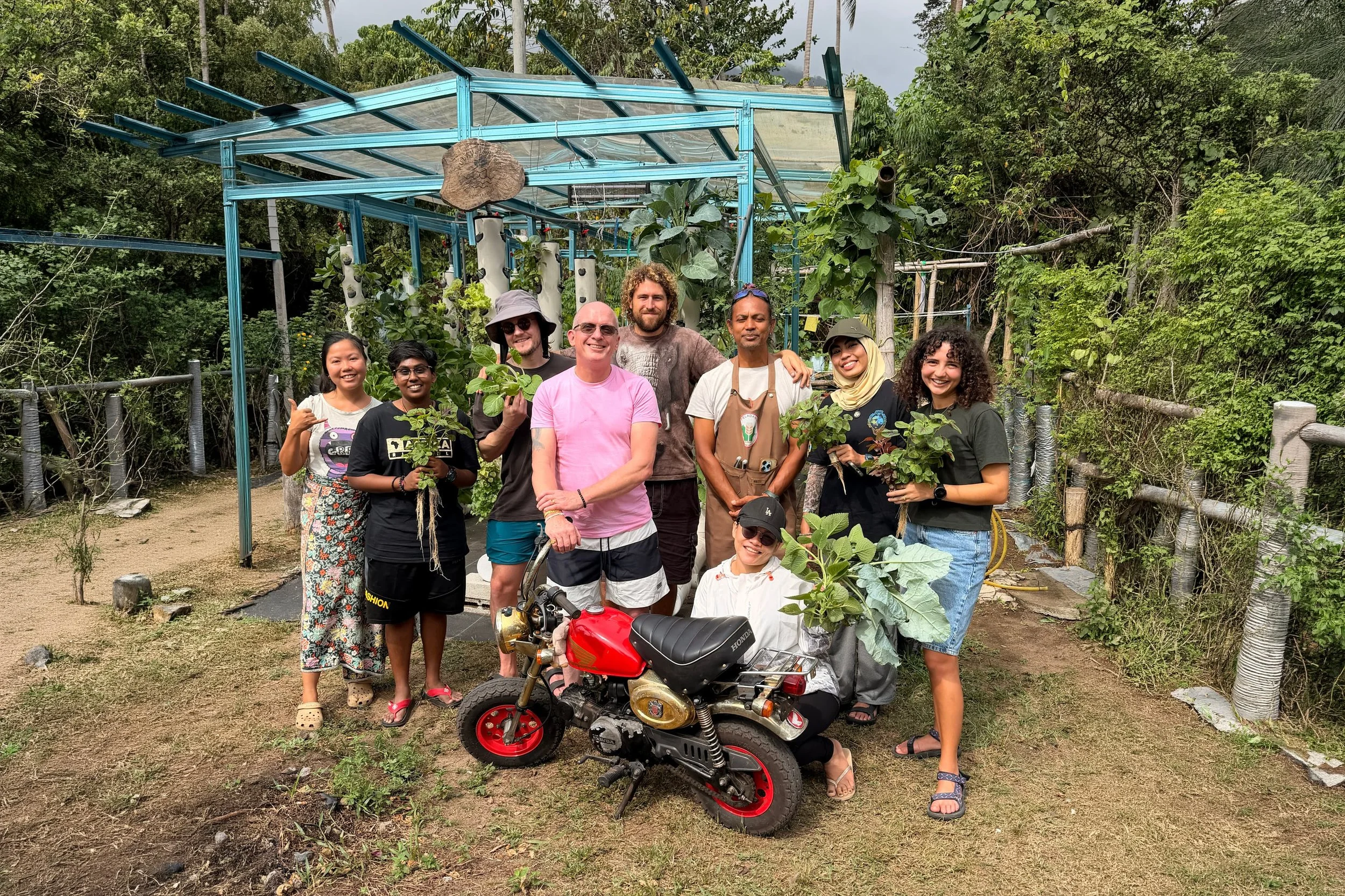
Visits to a local agriculture farm
Exploring the village and town
*Subject to sea state and tide level.
A Typical Week
No two days are identical, but most weeks follow this rhythm. Mornings and evenings stay fairly consistent, while the late-morning and afternoon blocks change by day.
Volunteer Programme
Costs and Fees
March-October
Volunteer fees go directly to supporting the project. Sea turtles do not pay us to look after them and protect their habitat, so we rely on your support to keep this work going.
-
International: RM3,000 / 2 weeks (+RM1,500 each extra week)
ASEAN: RM1,500 / week
Malaysian: RM750 / week
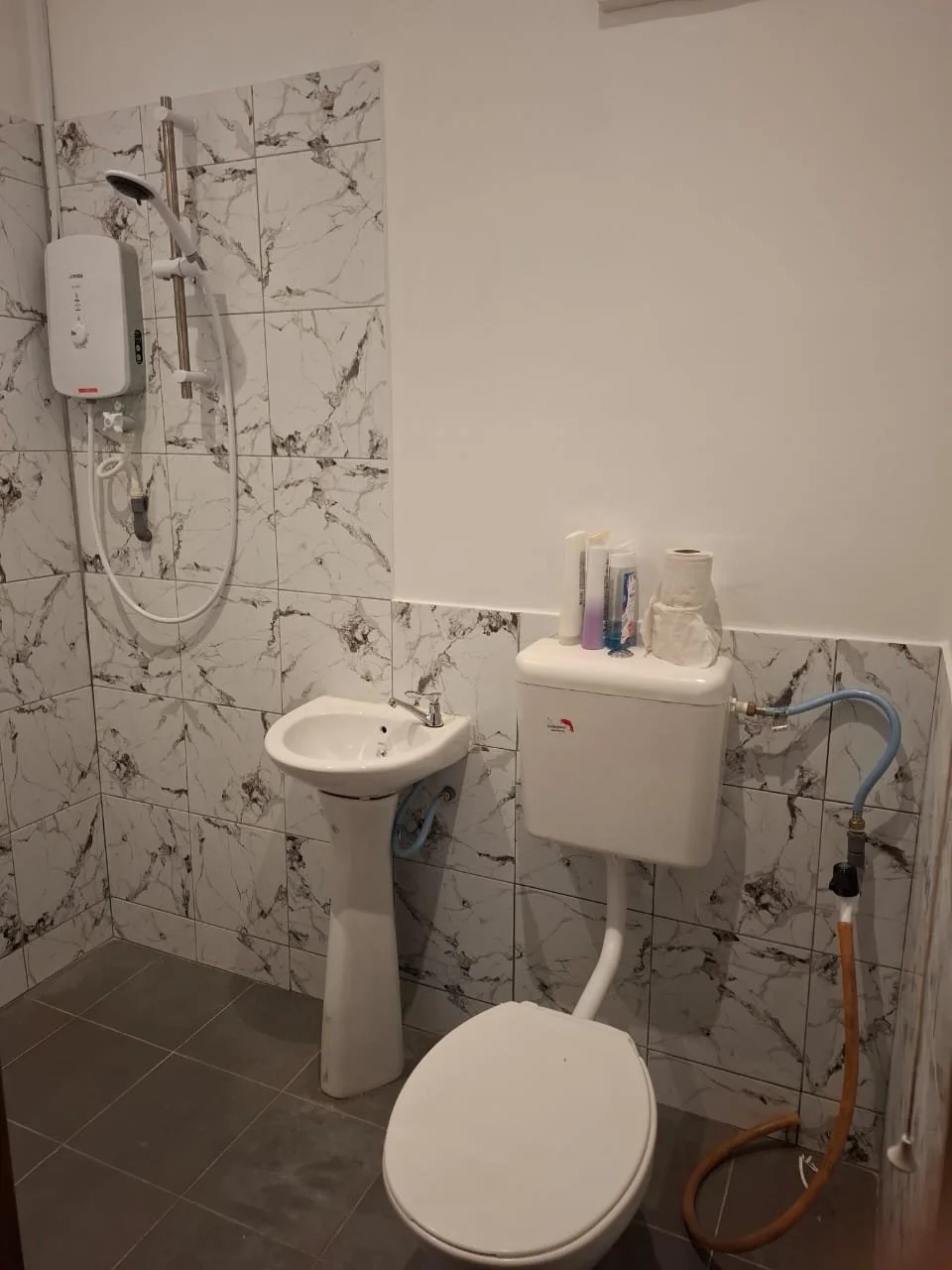
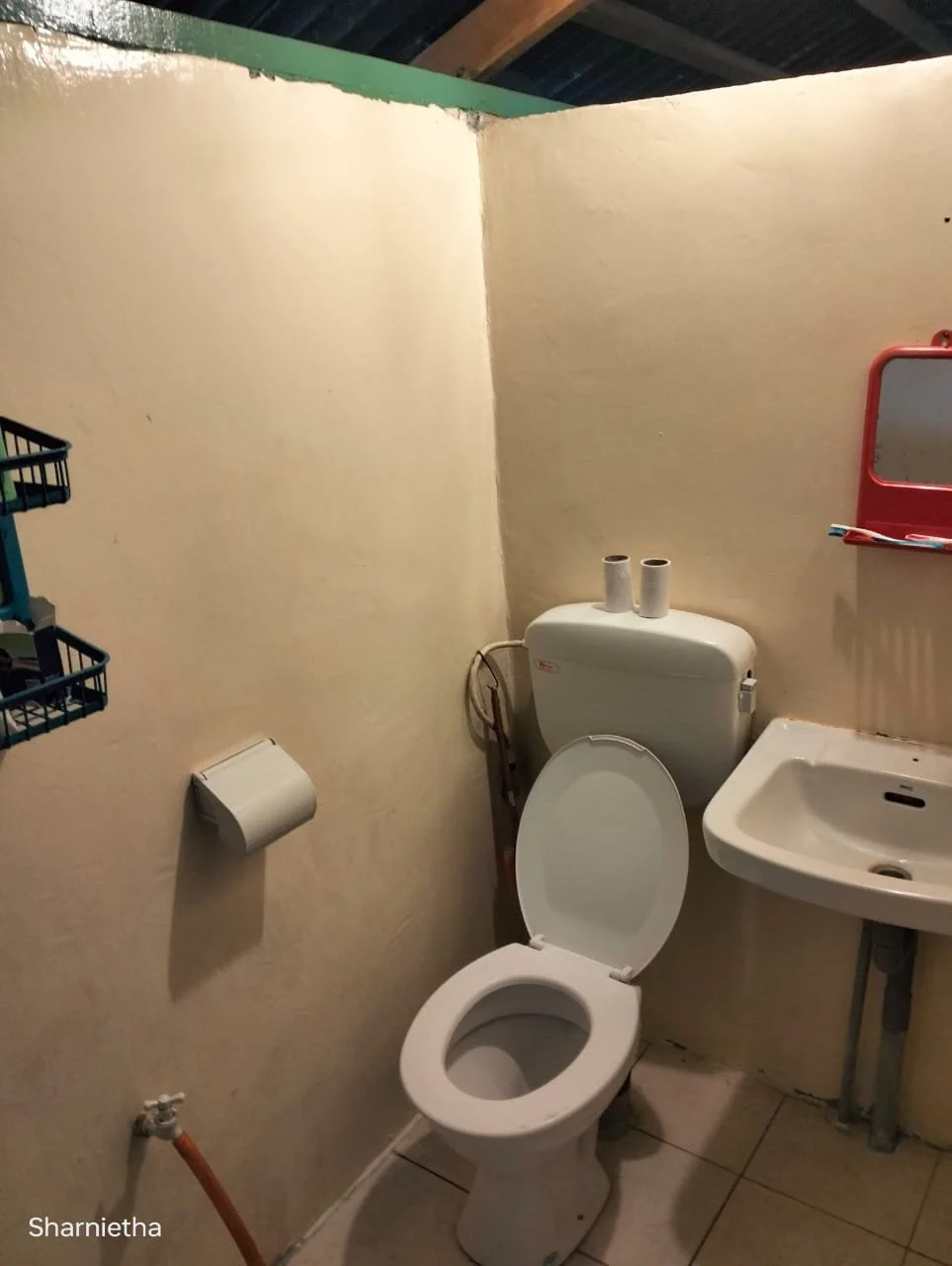
Three bunk beds · ensuite, no water heater
-
International: RM4,200 / 2 weeks (+RM2,000 each extra week)
ASEAN: RM2,100 / week
Malaysian: RM2,100 / week
One double bed · ensuite with water heater
-
International: RM4,200 / 2 weeks (+RM2,100 each extra week)
ASEAN: RM2,100 / week
Malaysian: RM2,100 / week
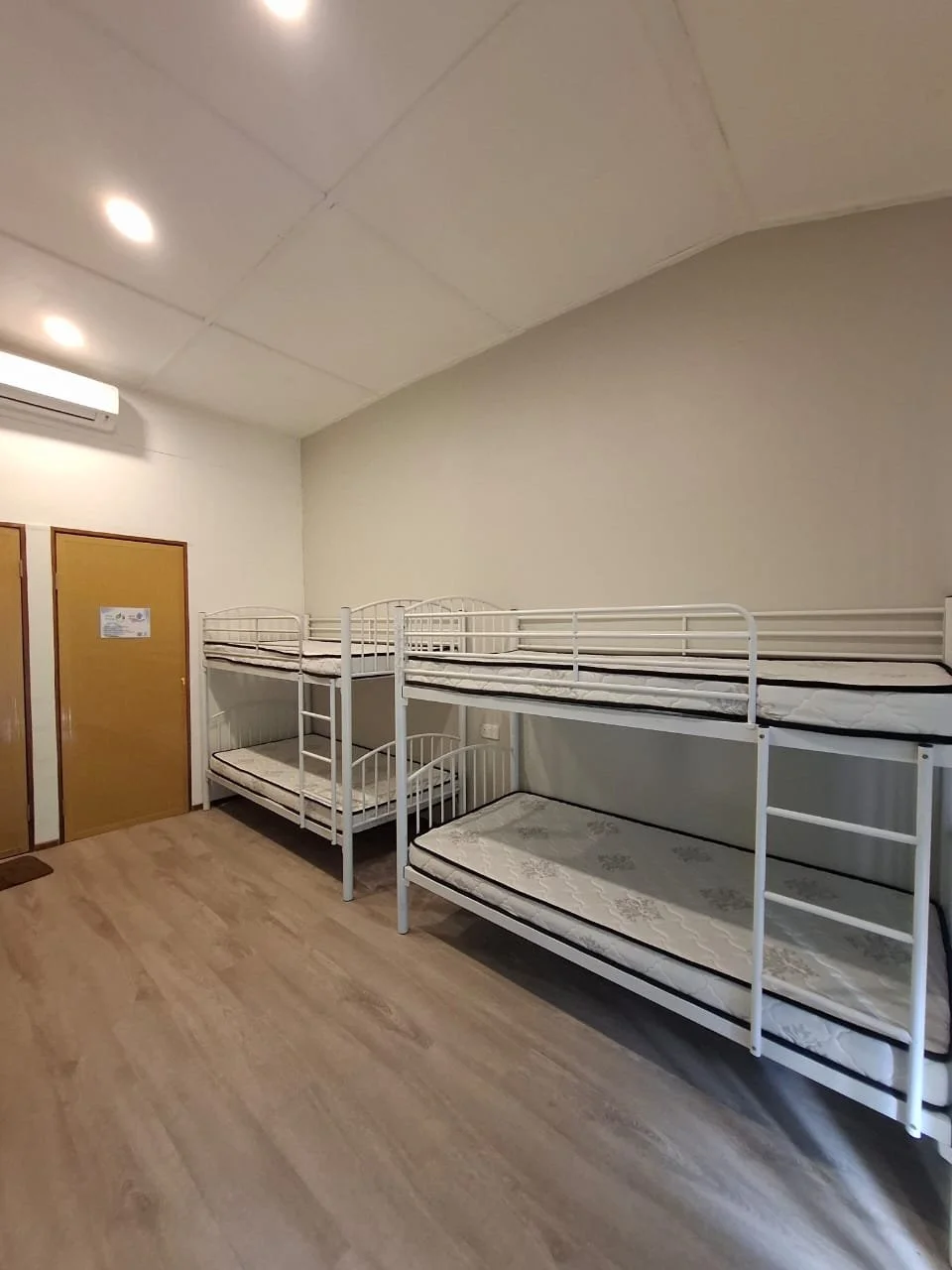
Four bunk beds · air-conditioning · ensuite with water heater
Includes:
Accommodation, all meals 6 days a week, drinks and drinking water, WiFi, and use of recreation gear (kayaks, snorkel sets, volleyball, board games). International rates assume a two-week minimum.
Eating out:
Plenty of local restaurants nearby (around RM20–25 a meal), and we encourage volunteers to support village businesses.
Payment:
Deposit needed to secure your booking. Final payment needed 1 week before arrival.
Frequently Asked Questions
-
Our programme is open to gap-year and university students, career breakers, divers, families, and anyone considering a future in conservation. No previous experience is required, just enthusiasm and a willingness to get involved.
-
Volunteers need to be 18 or over, and families with children aged 10 and up are welcome with parental supervision. Beyond that, we look for a passion for marine life, good physical fitness and general health, a strong work ethic, the ability to adapt to a range of tasks, and a readiness to get your hands dirty and handle the occasional long day.
-
The minimum stay is two weeks for international visitors (one week for ASEAN), and all new volunteers arrive on a Sunday so our team can prepare for and properly orientate everyone together at the start of the week.
-
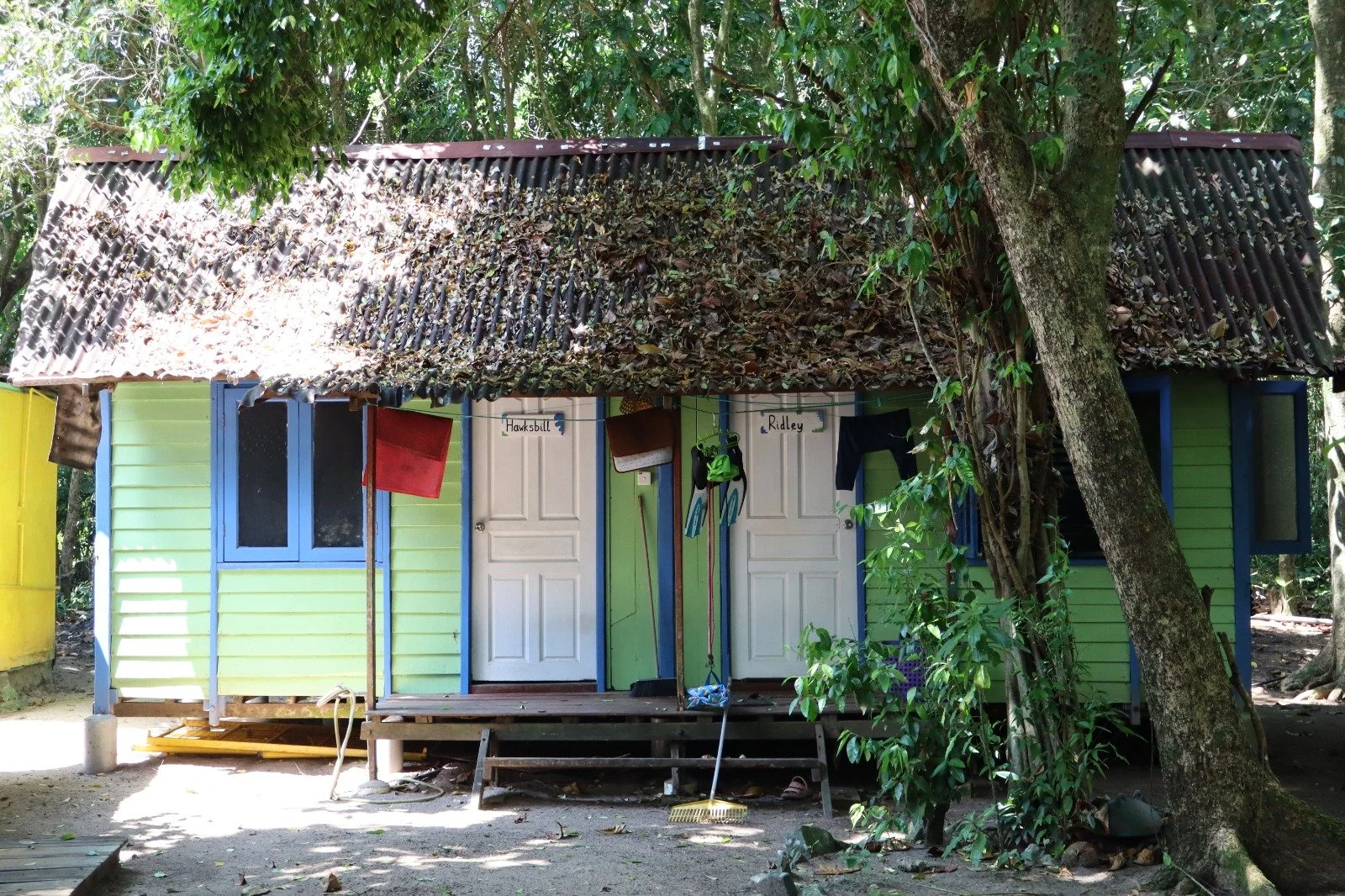
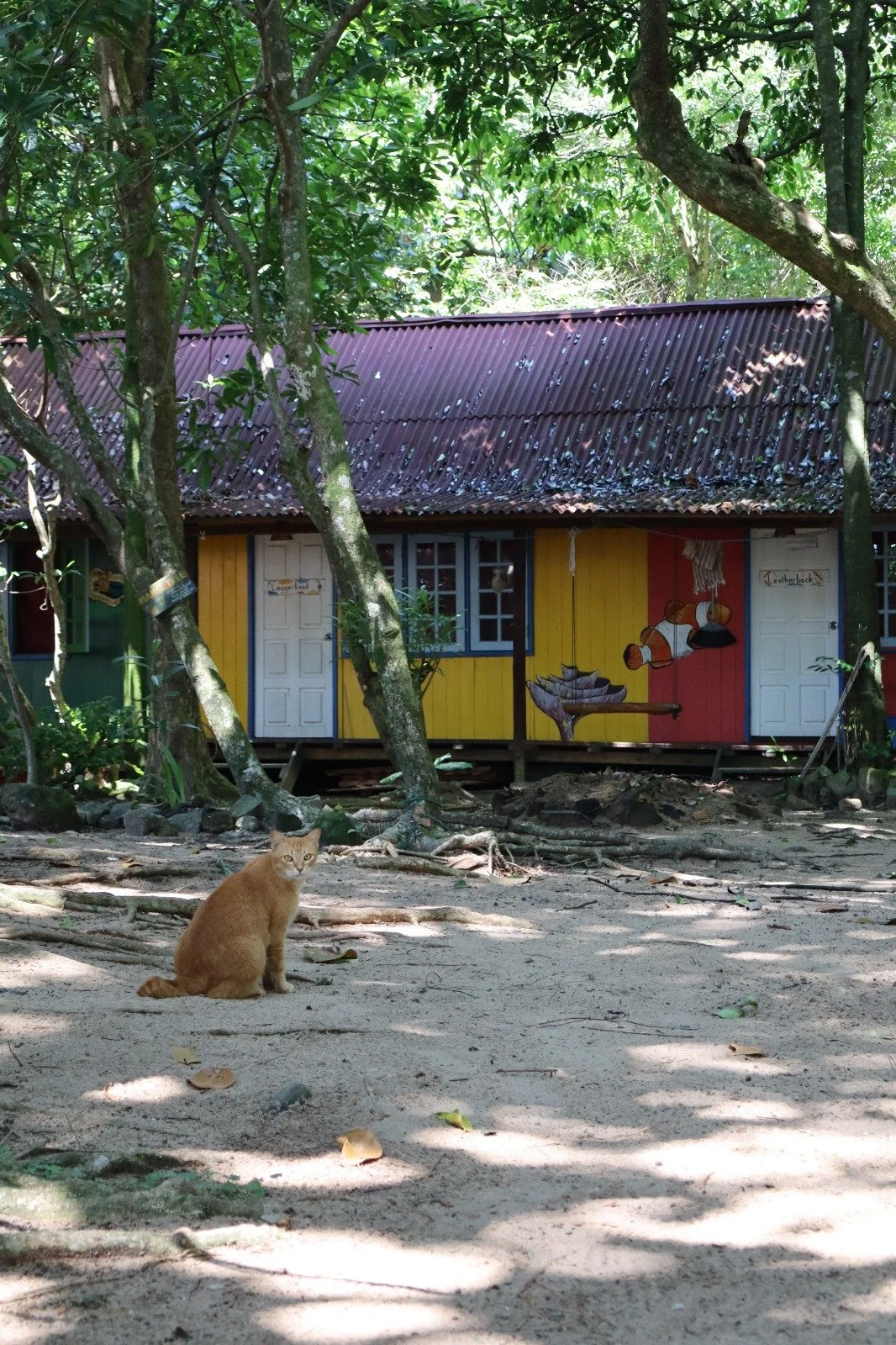
Your stay includes accommodation in a shared dormitory or private room, with 3 meals a day, 6 days a week. We host up to 20 volunteers per week, so places are limited and worth booking ahead, especially in peak nesting season.
-
JTP is not an all-inclusive programme, so your days are not scheduled hour by hour. You will usually spend around three to four hours on project work, with breaks and turtle patrols later, plus roughly four to five hours each week supporting our recycling centre. The Coral Rehabilitation Project is open to volunteers who meet the requirements and are comfortable working underwater.
-
Do some reading on sea turtle conservation and Tioman Island beforehand, so the issues turtles face here and worldwide make sense in context. If you are coming from a different culture, expect some culture shock at first, and arrive ready to adapt to the simpler, slower pace of island life.