
Coral Reef Conservation & Restoration
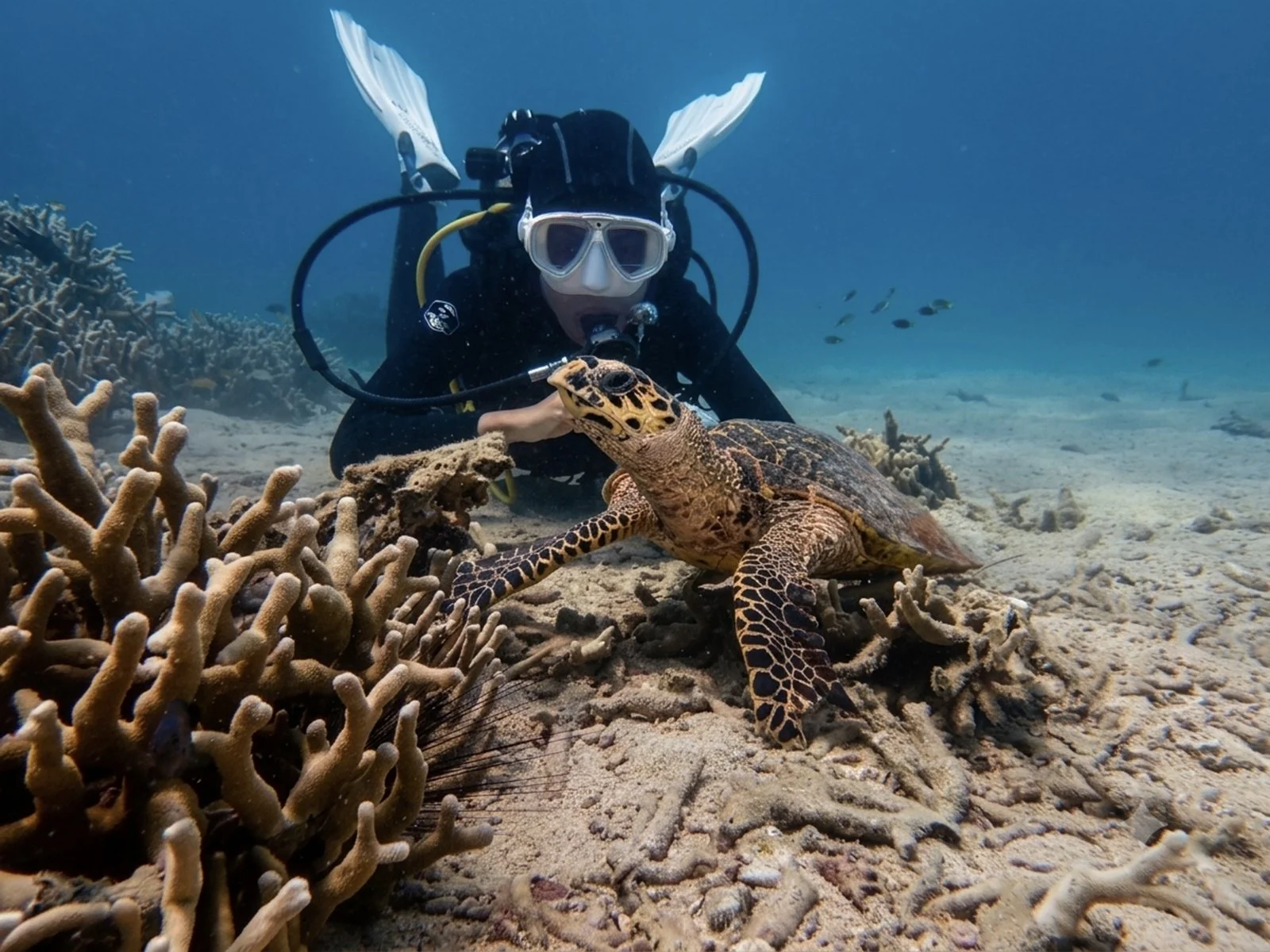
Healthy reefs are the foundation of life in Juara Bay. Since 2017, we have worked to restore damaged reef habitats and understand how they function, so they can support marine life for generations to come.
Juara Bay is home to three fringing coral reefs, all accessible directly from the shore. Though they sit side by side, each reef experiences very different wave energy and seasonal disturbance, creating distinct habitats and a natural laboratory for studying reef health.
Rather than measuring coral cover alone, we study the reefs as complete ecosystems, where corals, fish, invertebrates, and the physical environment all shape overall reef health.
Our Core Operations
-
![]()
Reef Monitoring & Surveys
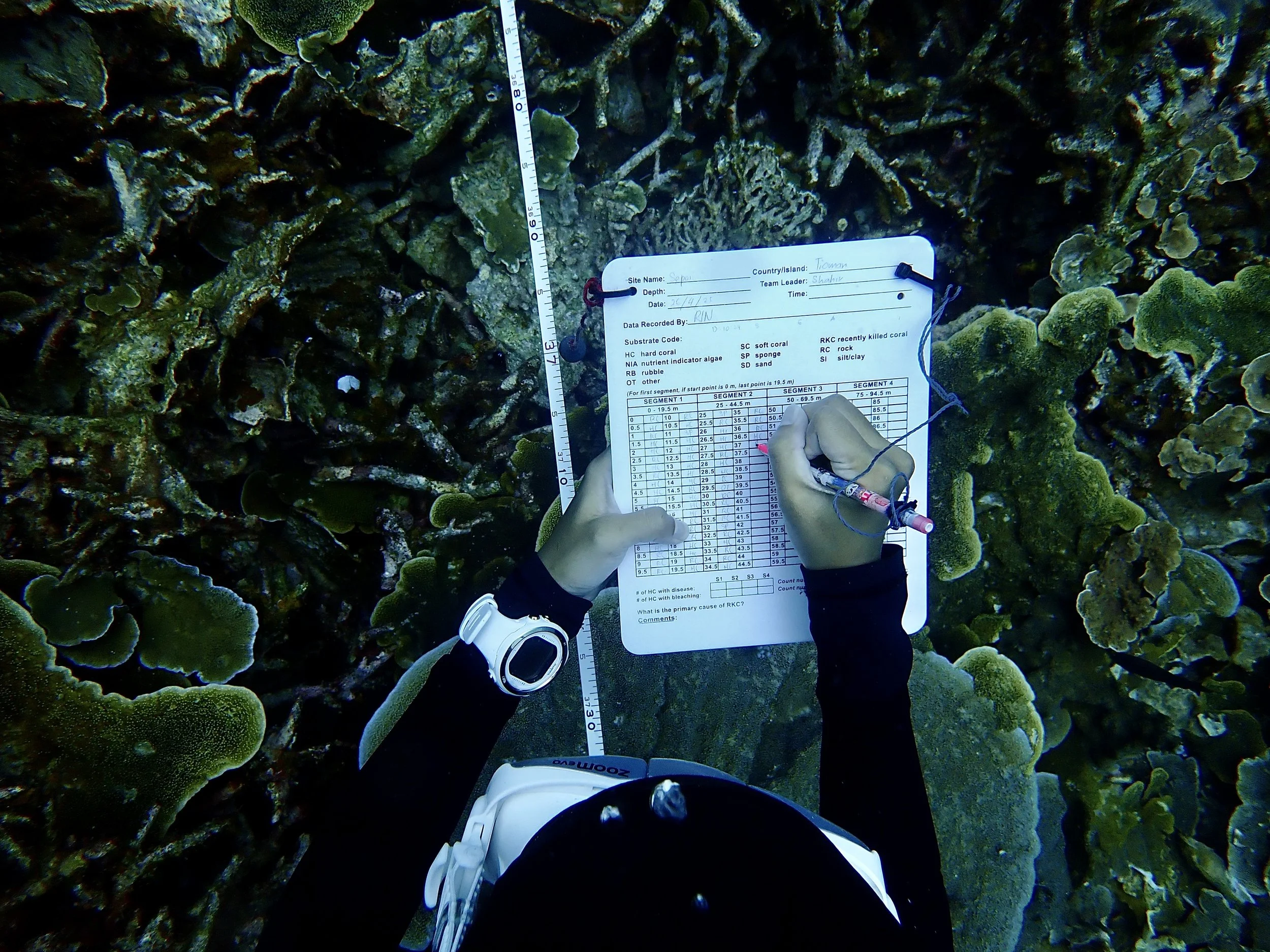
Our monitoring follows internationally recognised methods aligned with Reef Check, keeping our data comparable with conservation programmes worldwide.
Benthic Surveys: Standardised transects record cover of hard coral, soft coral, rubble, sand, rock, and algae to track change over time.
Fish Surveys: Underwater counts monitor species diversity and key groups like herbivores and indicator species that signal shifts in reef health.
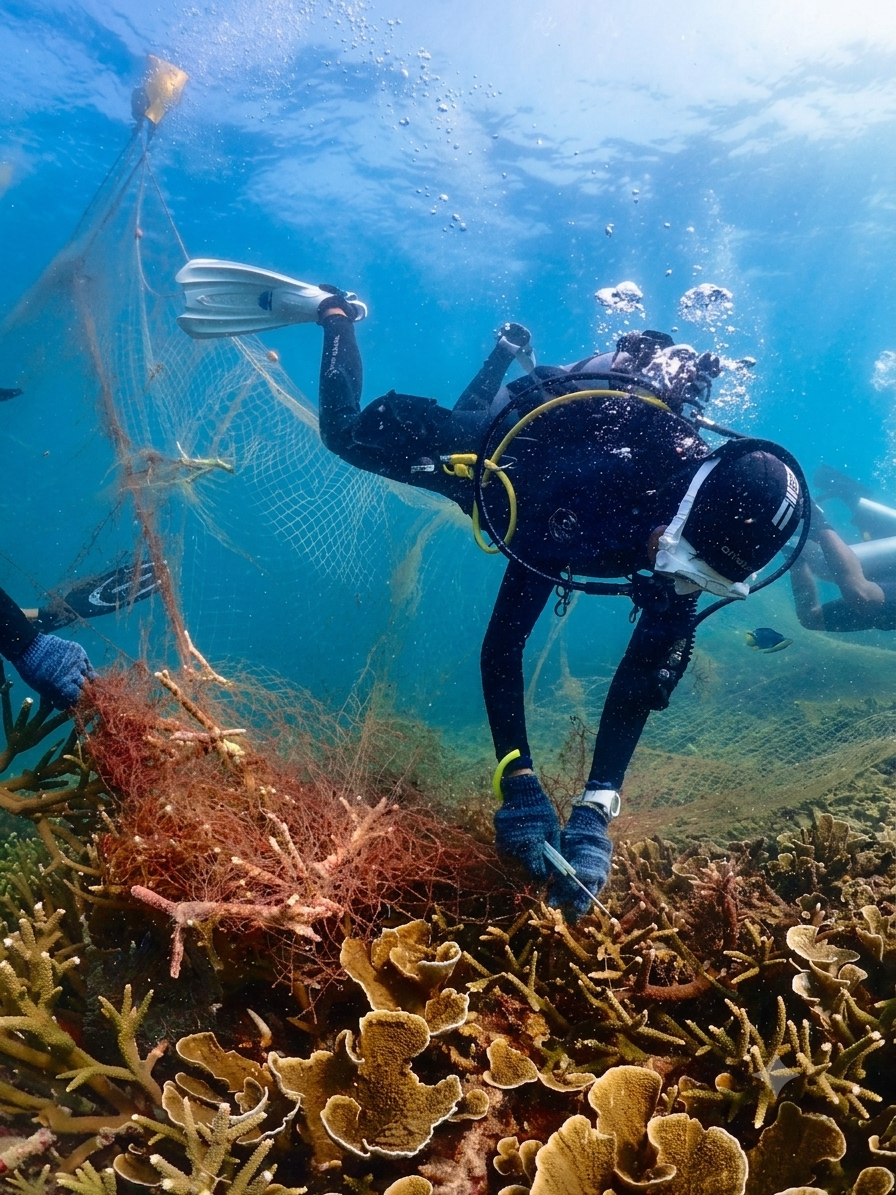
Reef Health Assessments: Bleaching, disease, invertebrate counts, and human impacts combine into a full picture of reef condition.
-
![]()
Coral Restoration
Monitoring shows us what is happening. Restoration lets us take direct action, stabilising damaged areas with artificial reef blocks.
Reef Blocks: Stable structures anchor naturally broken coral fragments and reduce rubble movement during strong seasonal swells.
Growth Tracking: Transplanted colonies are inspected regularly for survival, growth, and health, with excess algae removed as needed.
Closed-Loop Materials: Recycled crushed glass from our waste programme is built into the reef blocks, turning community waste into new habitat.
Habitat, Not Just Coral
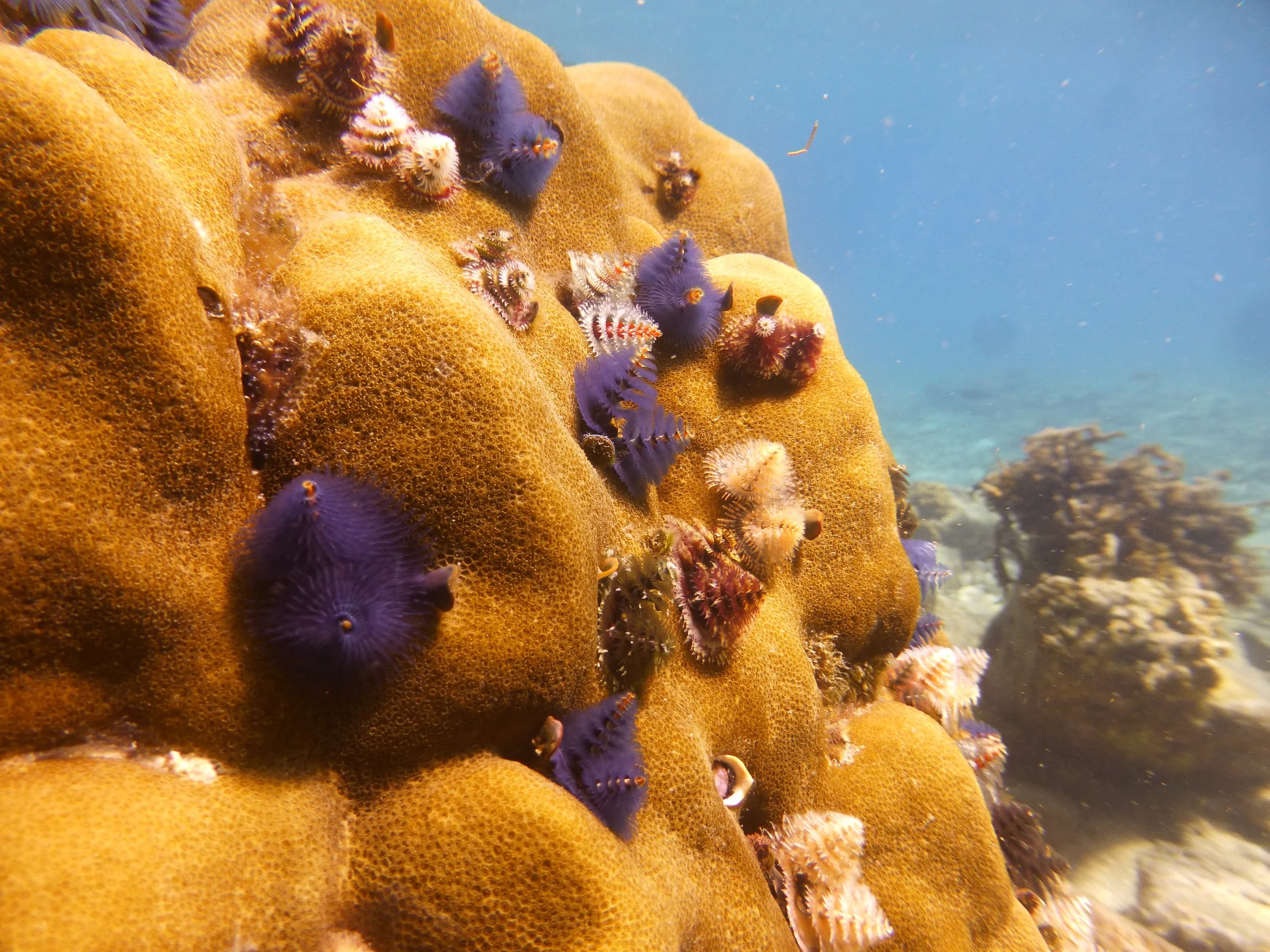
One of our core research questions is how the physical structure of a reef shapes the life it supports. The different wave exposure across Juara's three reefs creates natural variation in coral growth, substrate, and complexity, helping us understand why some areas hold more biodiversity than others.
As the programme grows, our goals include:
Expanding long-term coral and fish monitoring across Tioman's reefs.
Testing new restoration techniques and innovative artificial substrates.
Improving habitat mapping and ecological assessments.
Strengthening partnerships with universities and applied marine science.
This ecosystem-level approach lets us move beyond simply planting corals and towards restoring reef habitats that function, recover, and sustain themselves.
Our Long-Term Commitment
Healthy coral reefs are living ecosystems. They sustain local fisheries and tourism, shield the coastline from wave energy, and feed sea turtles and countless other species.
By pairing rigorous science with practical restoration and community involvement, we are working to keep the reefs of Juara Bay healthy, resilient, and able to support life for generations to come.