Field studies
& groups
〰️
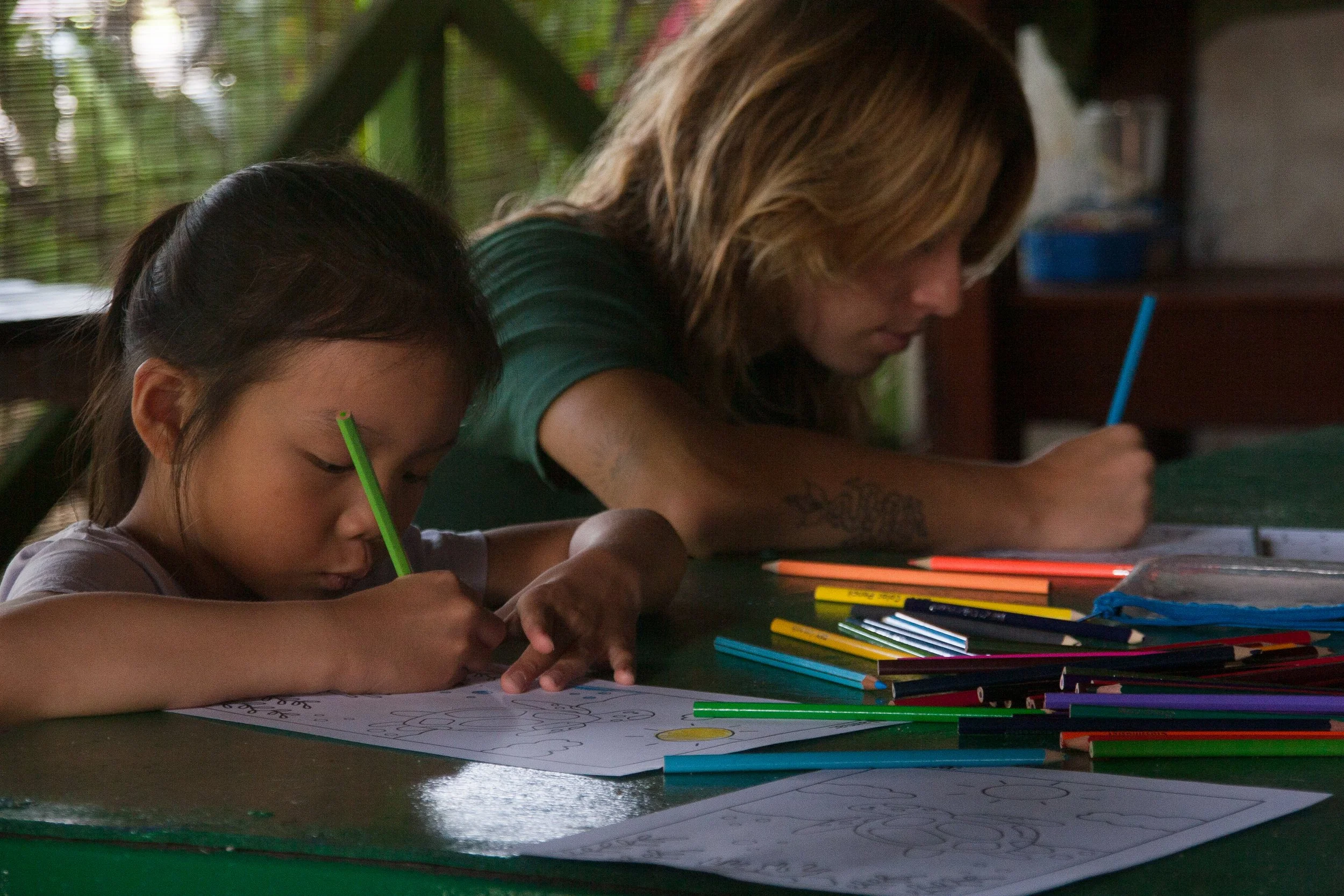
Real Conservation
〰️
Real Safety Procedures
〰️
Real Academic Outcomes
〰️ Real Conservation 〰️ Real Safety Procedures 〰️ Real Academic Outcomes
What makes JTP different
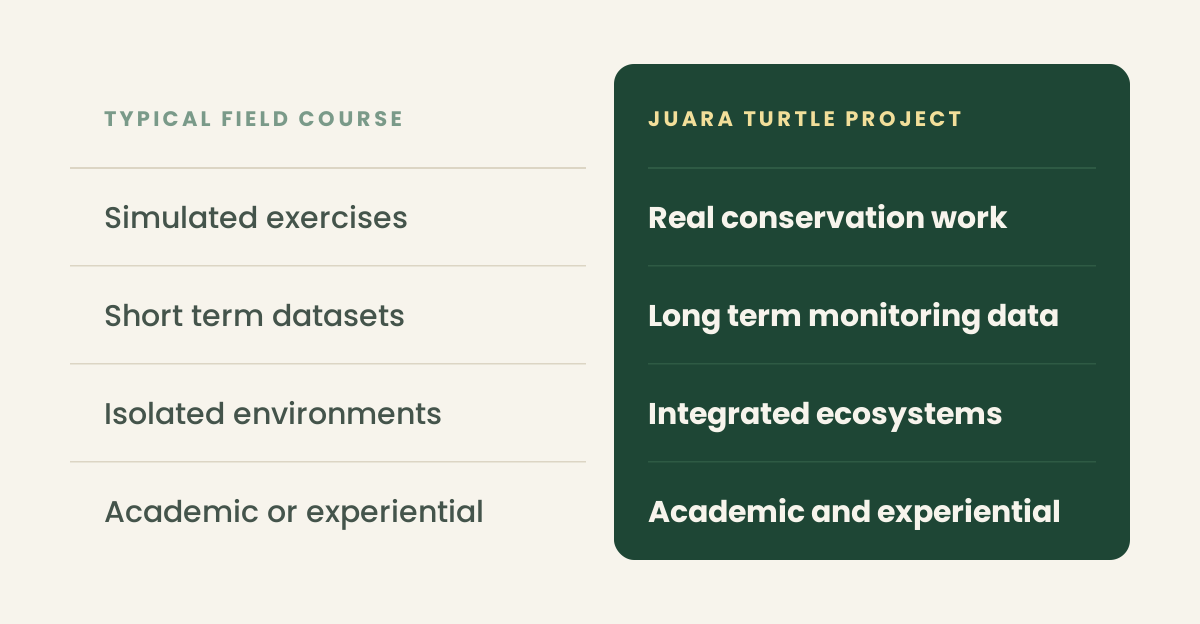
Most field courses fall into one of two categories. They are academic but simulated, or experiential but not linked to any curriculum.
Juara Turtle Project combines both. Students do not just learn fieldwork methods, they apply them inside an active, long term conservation project, using real datasets that have been built over more than two decades.
Our location
-
![]()
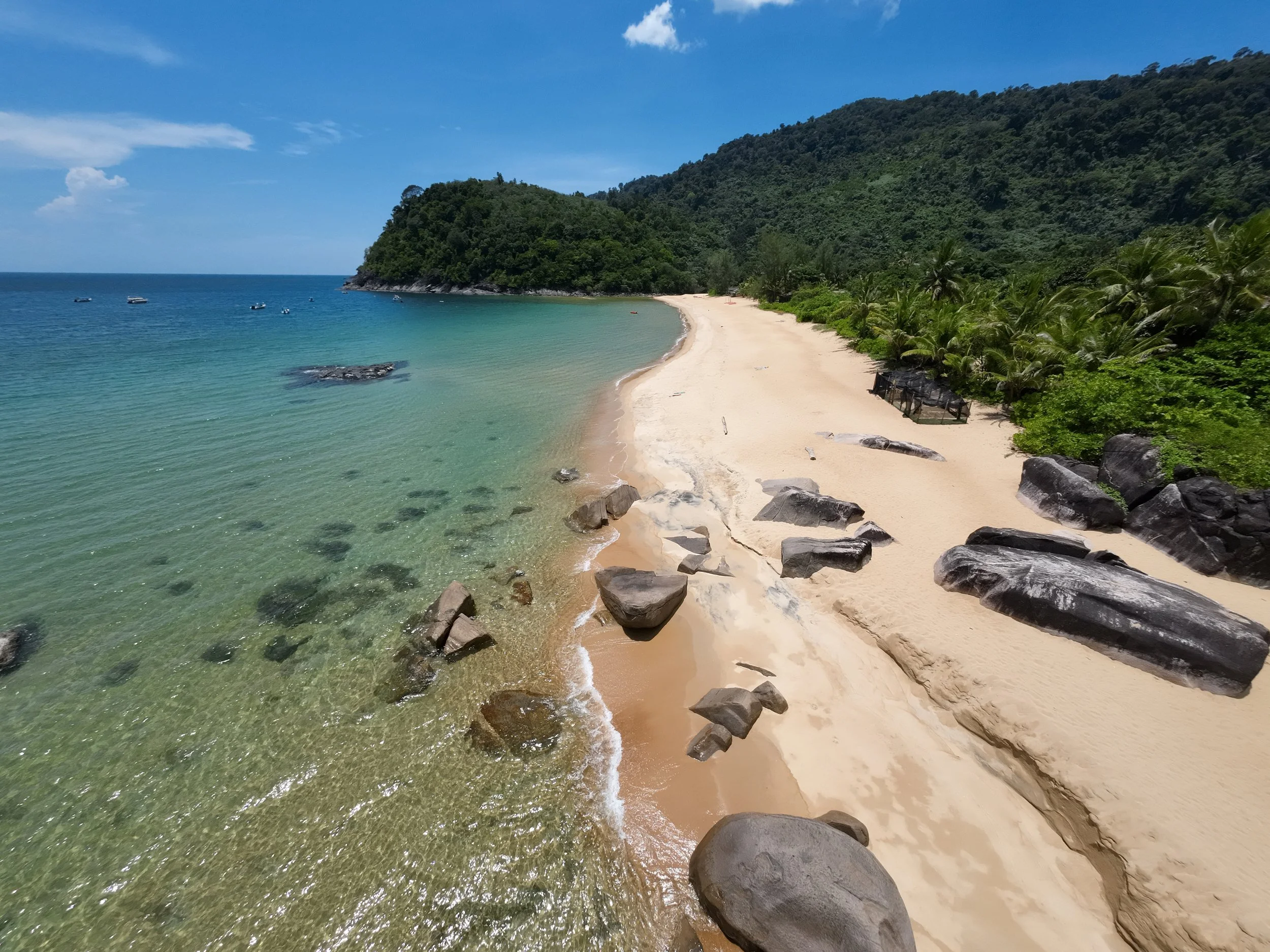
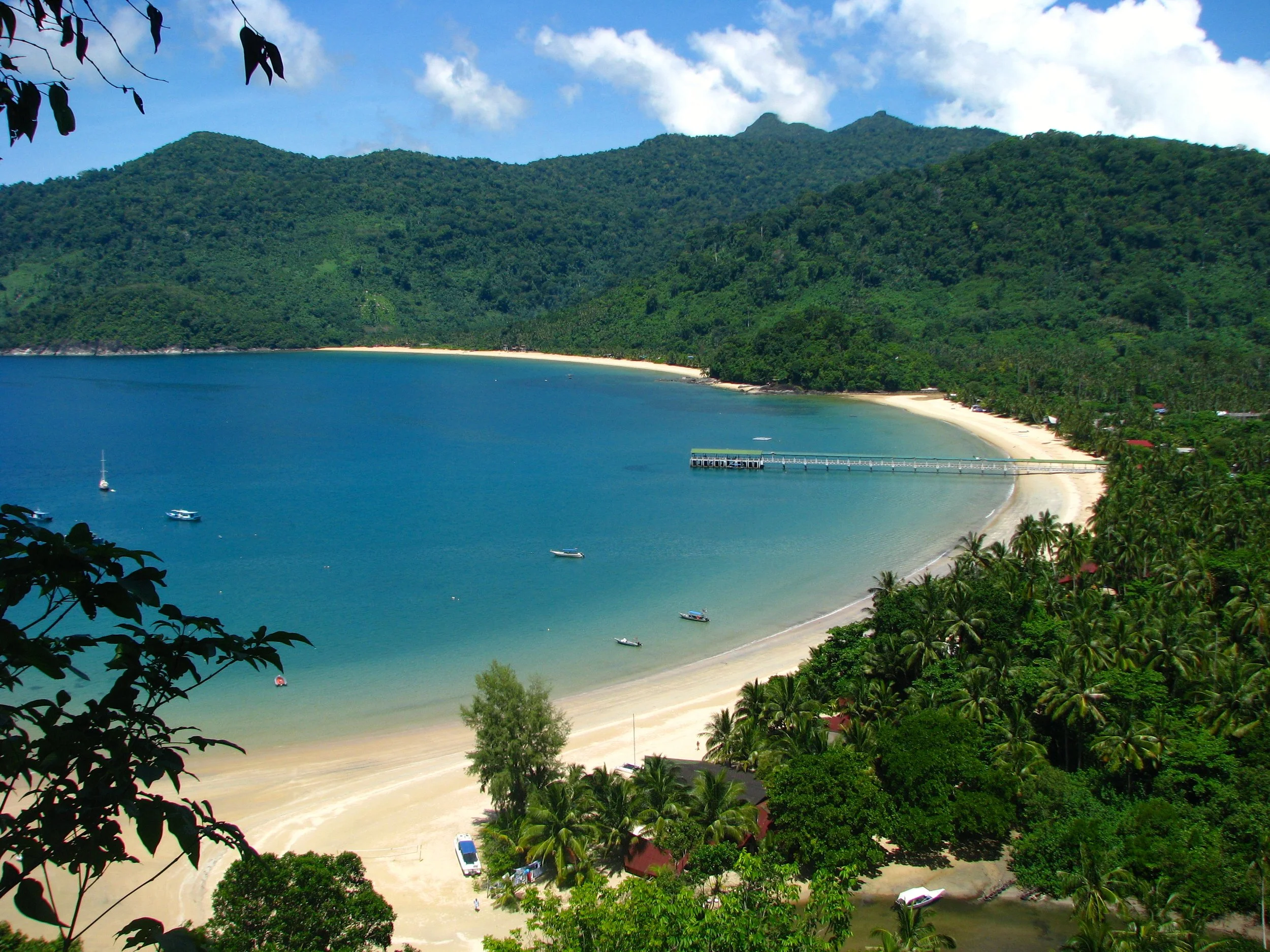
Tioman Island as a living field site
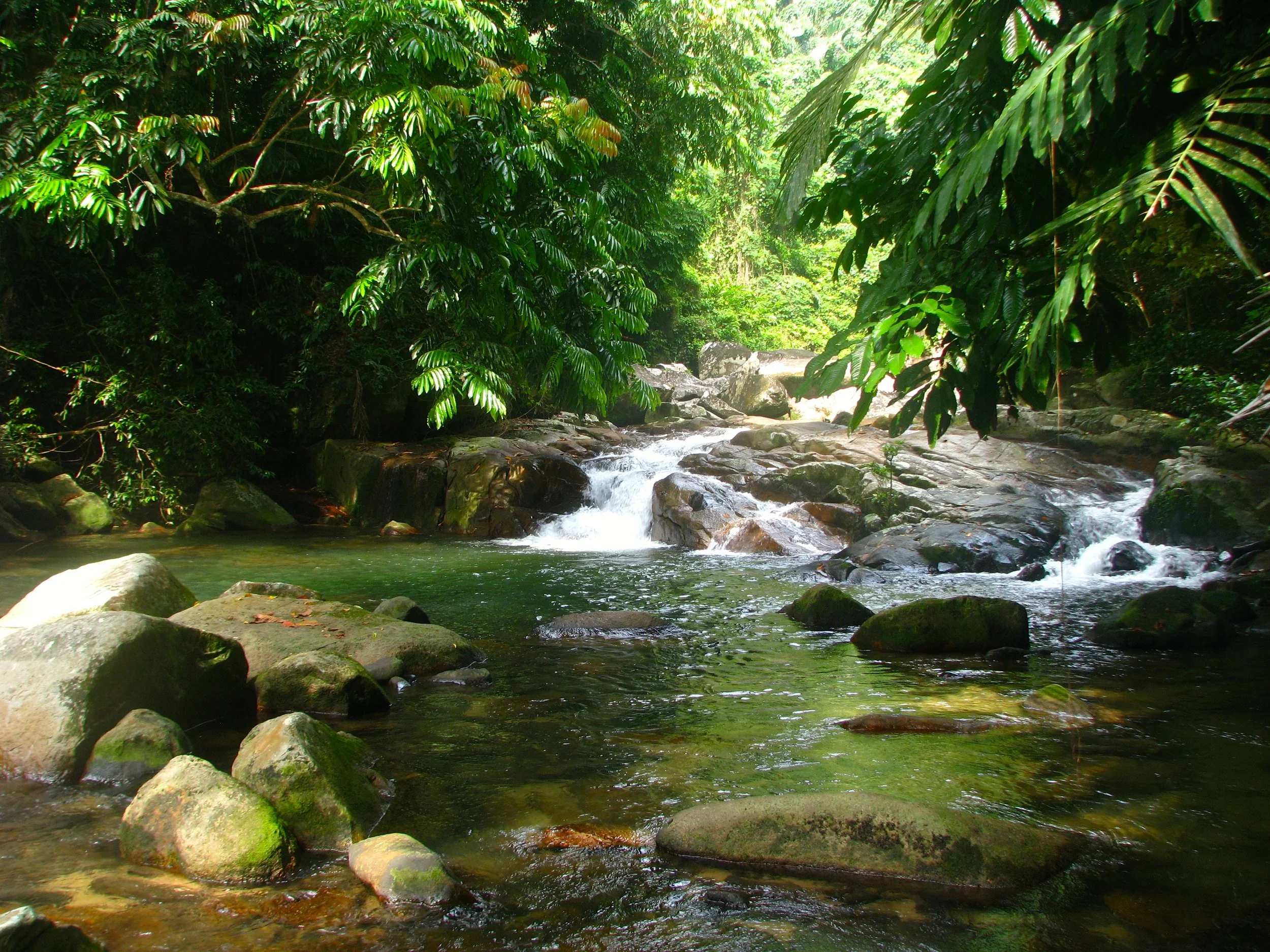
Our field site offers a rare combination of accessibility, biodiversity and authenticity. Four key ecosystems sit within walking distance of each other, which means students can run comparative investigations, explore how systems connect, and gather diverse datasets without ever getting on a boat or a bus.
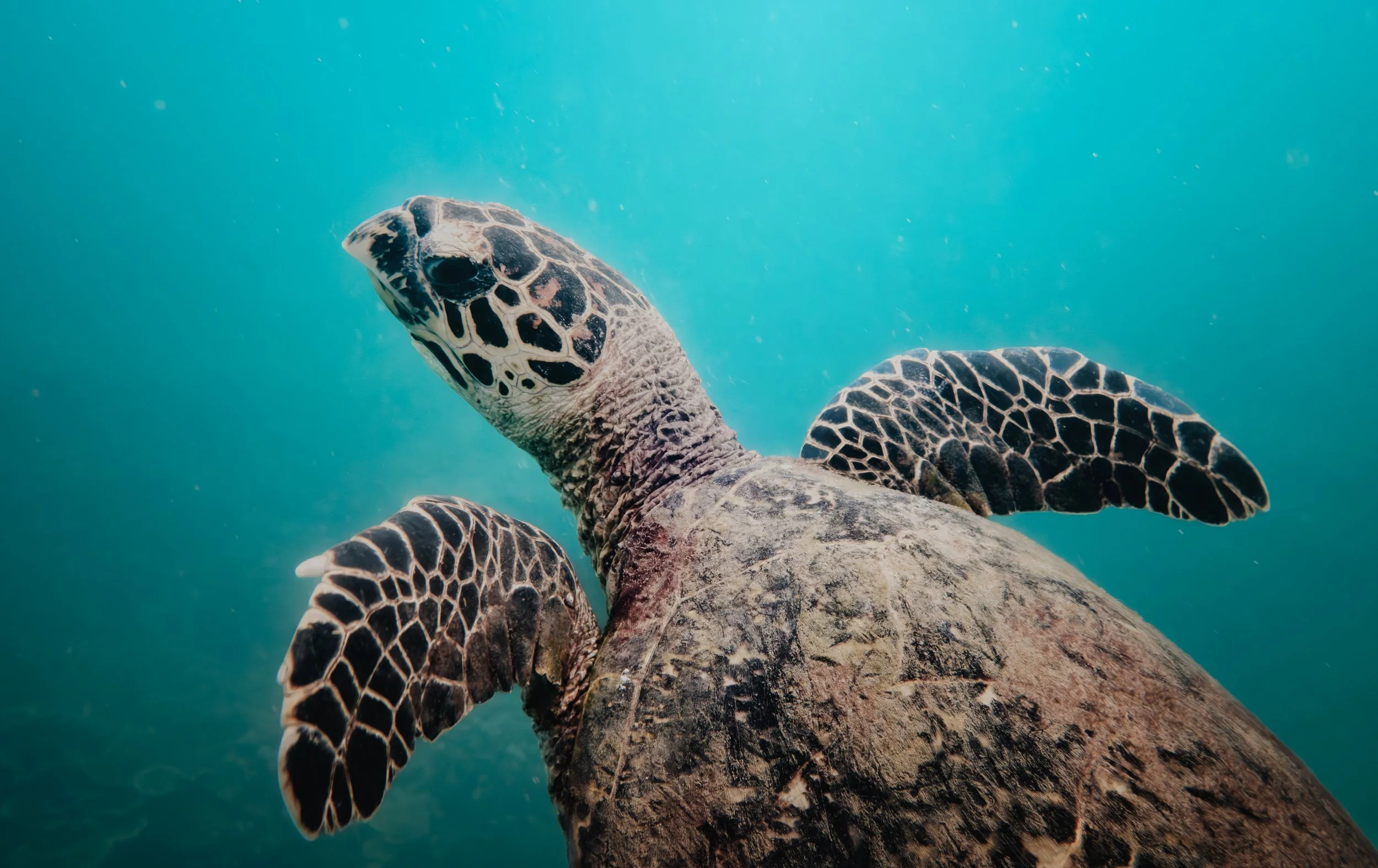
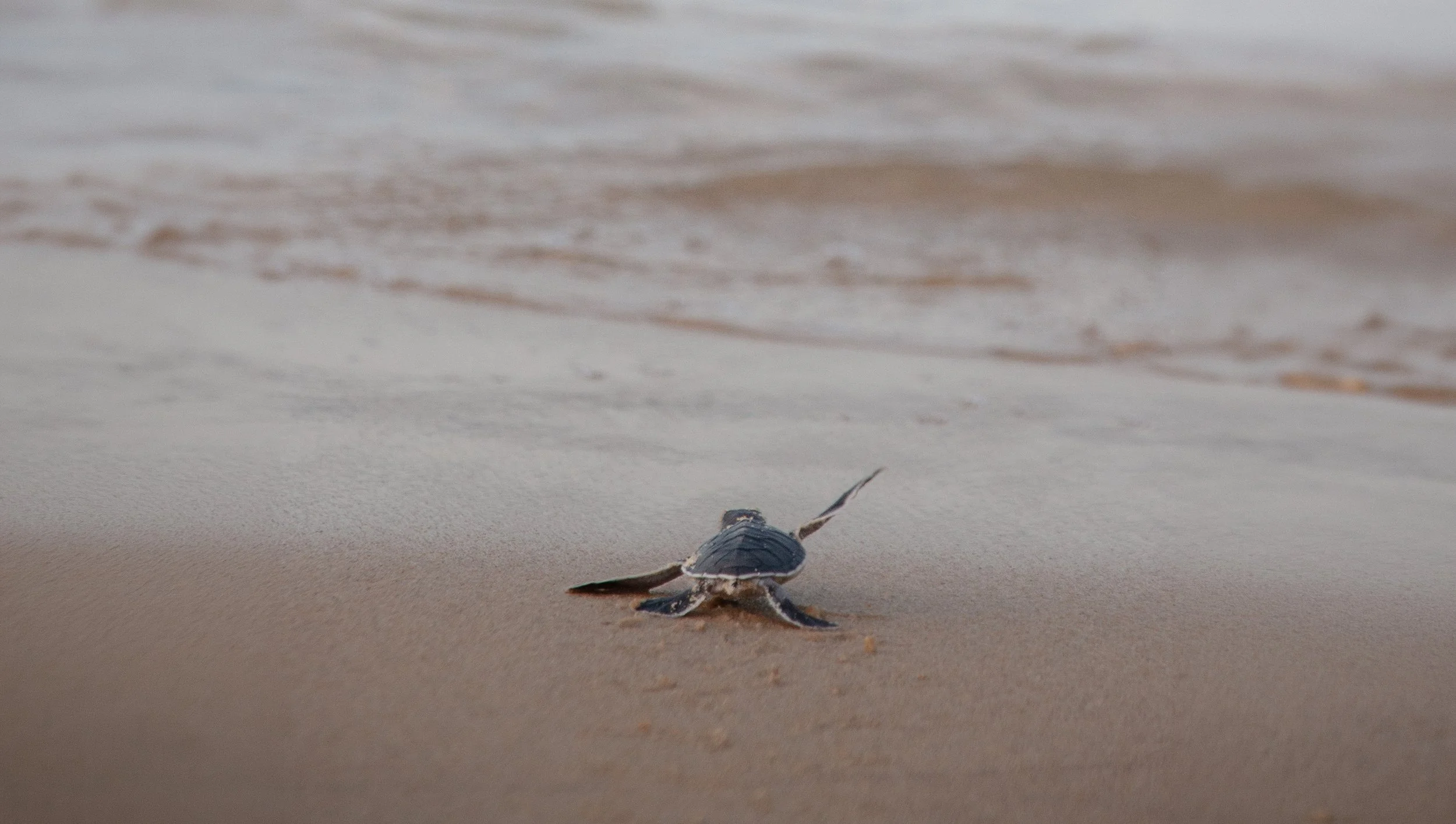
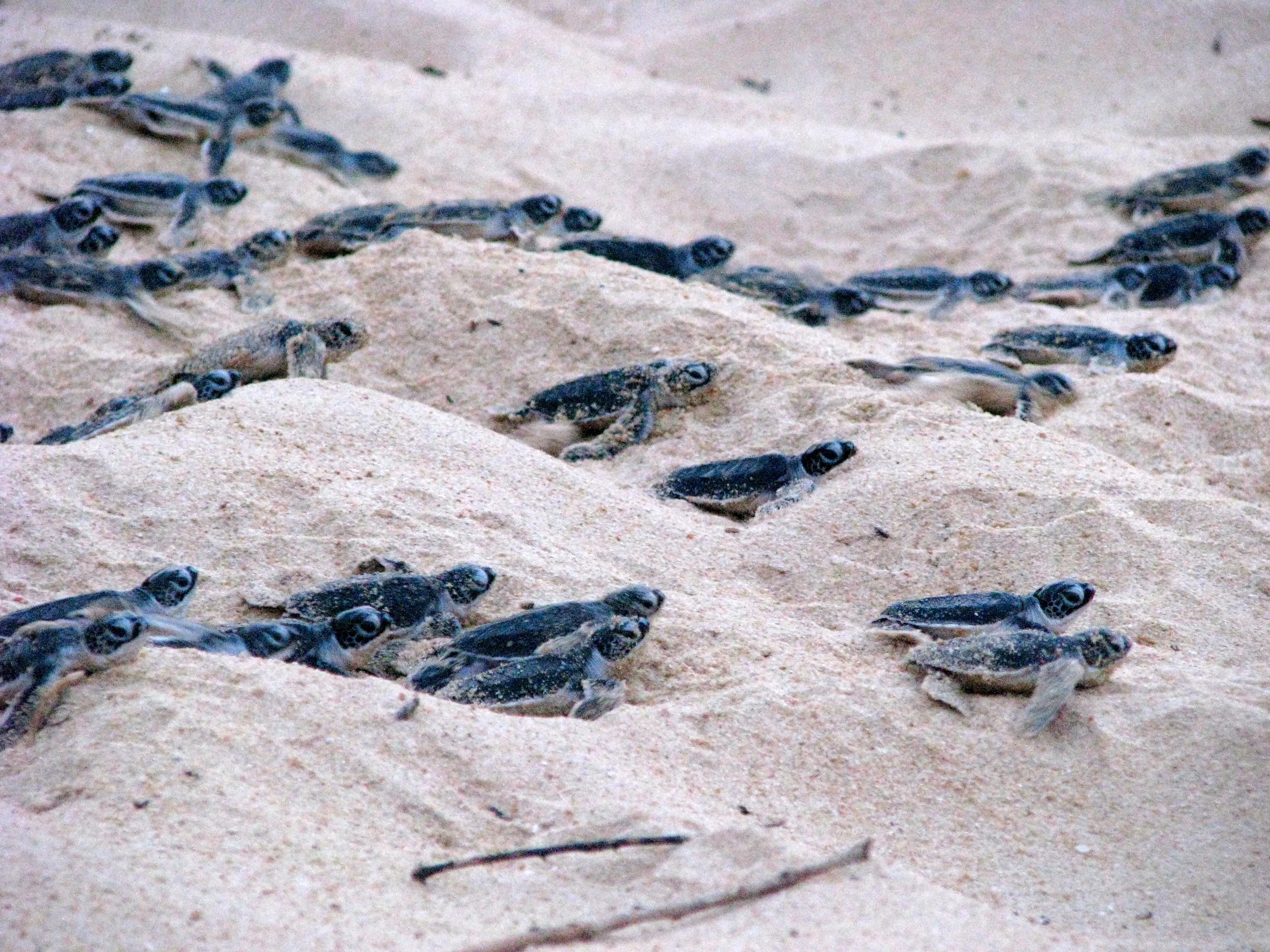
Turtle nesting beaches
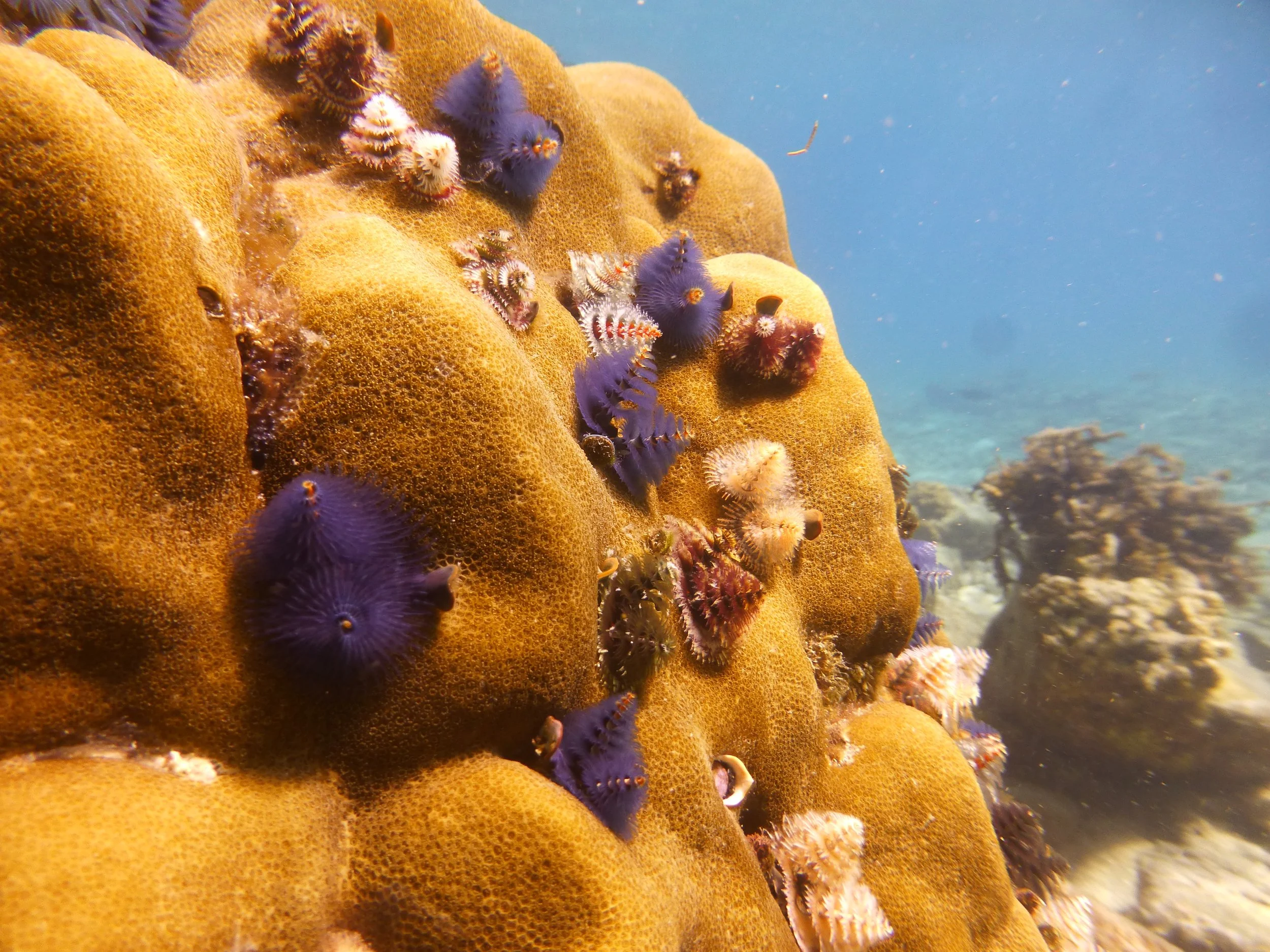
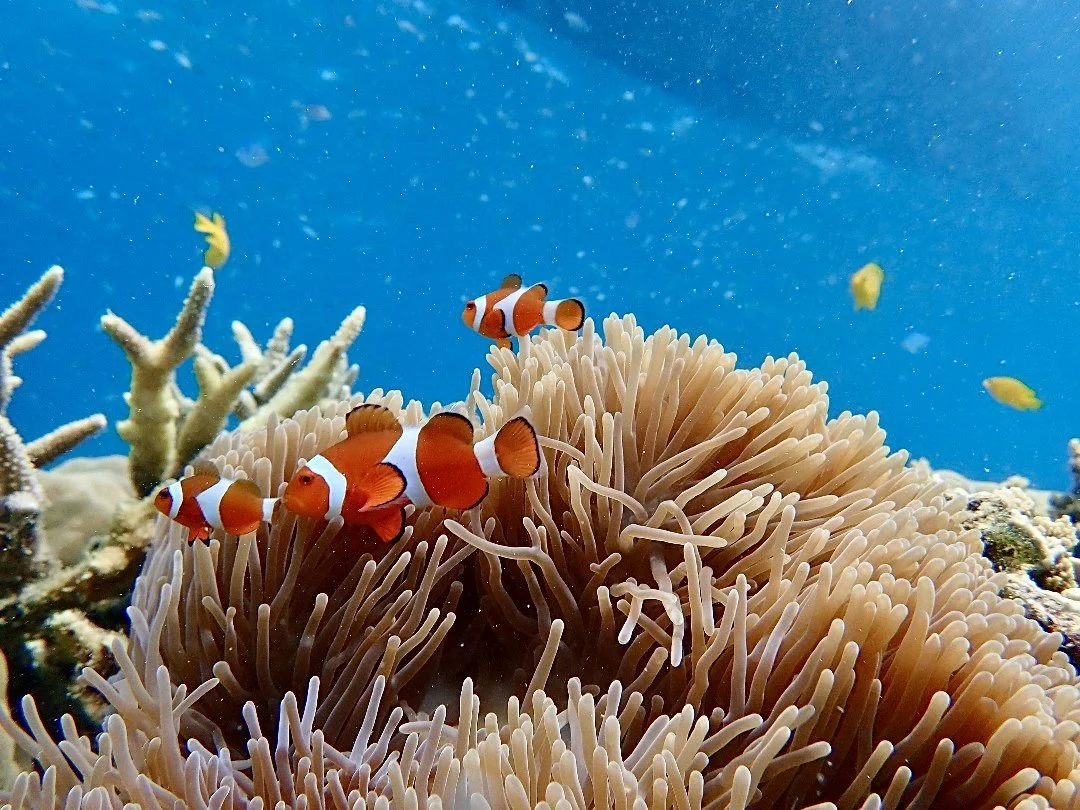
Coral reefs
Mangrove forests
Tropical rainforest
-
![]()
A real place, not a resort setting
Juara is not a mass tourism hub. Students experience a traditional Malaysian kampung, direct interaction with local community life, and a functioning conservation project embedded within that community.
That context is valuable for studying human and environment interactions, sustainability and development, and place based topics, particularly for IB Geography and Environmental Systems and Societies.
-
![]()
Safe and Supported
Our island has both a public and private clinic that can be accessed at any time. As well as accessible emergency exit procedures from the island.
Our team our supported by our partner company Little Planet Outdoor Education meaning that our staff have high levels of training, we have 24hr support from professional first aiders and are backed by over 20 years of outdoor activities experience.
For teachers and course leaders
Curriculum aligned fieldwork
Every activity maps directly onto assessment expectations and subject content. We work with teachers to align fieldwork with schemes of work, support investigation planning and make sure the academic outcomes are clear before anyone arrives.
IB Environmental Systems & Societies · systems and models, ecosystems and biodiversity, conservation, human impacts.
IB Biology · ecology unit and scientific investigation skills.
A-Level Geography · direct support for the Non Examined Assessment, coastal systems, carbon cycle, changing places.
A-Level Biology · required practical skills, ecology and biodiversity, data handling.
IGCSE Geography & Biology · coastal processes, environmental management, tourism impacts, sampling techniques.
University level · environmental science, marine biology, ecology and conservation, geography, sustainability.
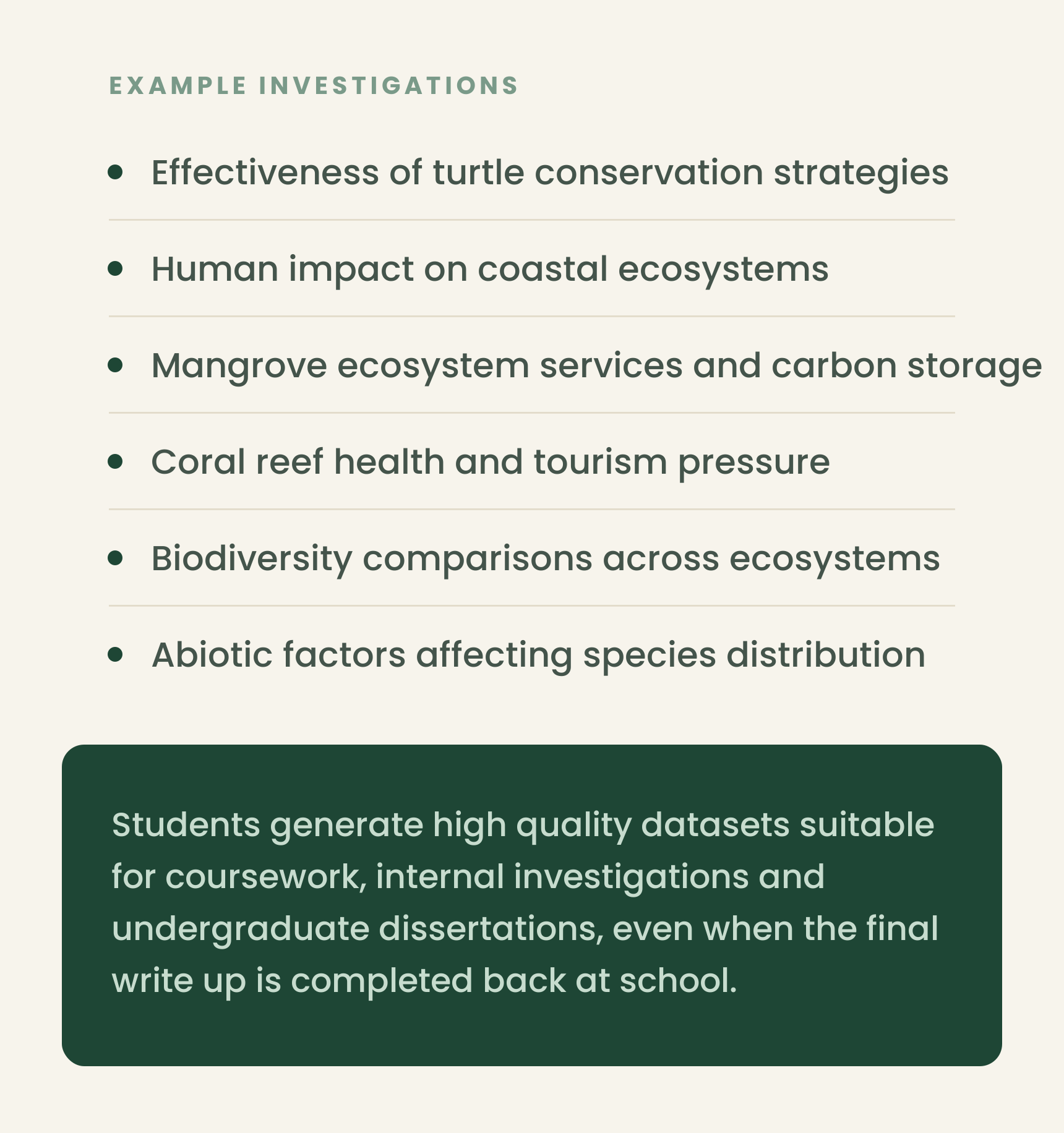
List of Standards Covered
An example five day programme
Every programme is customised around your subject focus and syllabus needs. This is one example of how a week can be structured.
Day 1 · Ecosystem overview, fieldwork methods, developing research questions and hypotheses.
Day 2 · Coastal systems and turtle conservation: beach profiling, nesting data analysis, human impact surveys.
Day 3 · Mangrove ecosystems: zonation studies, abiotic measurements, carbon storage.
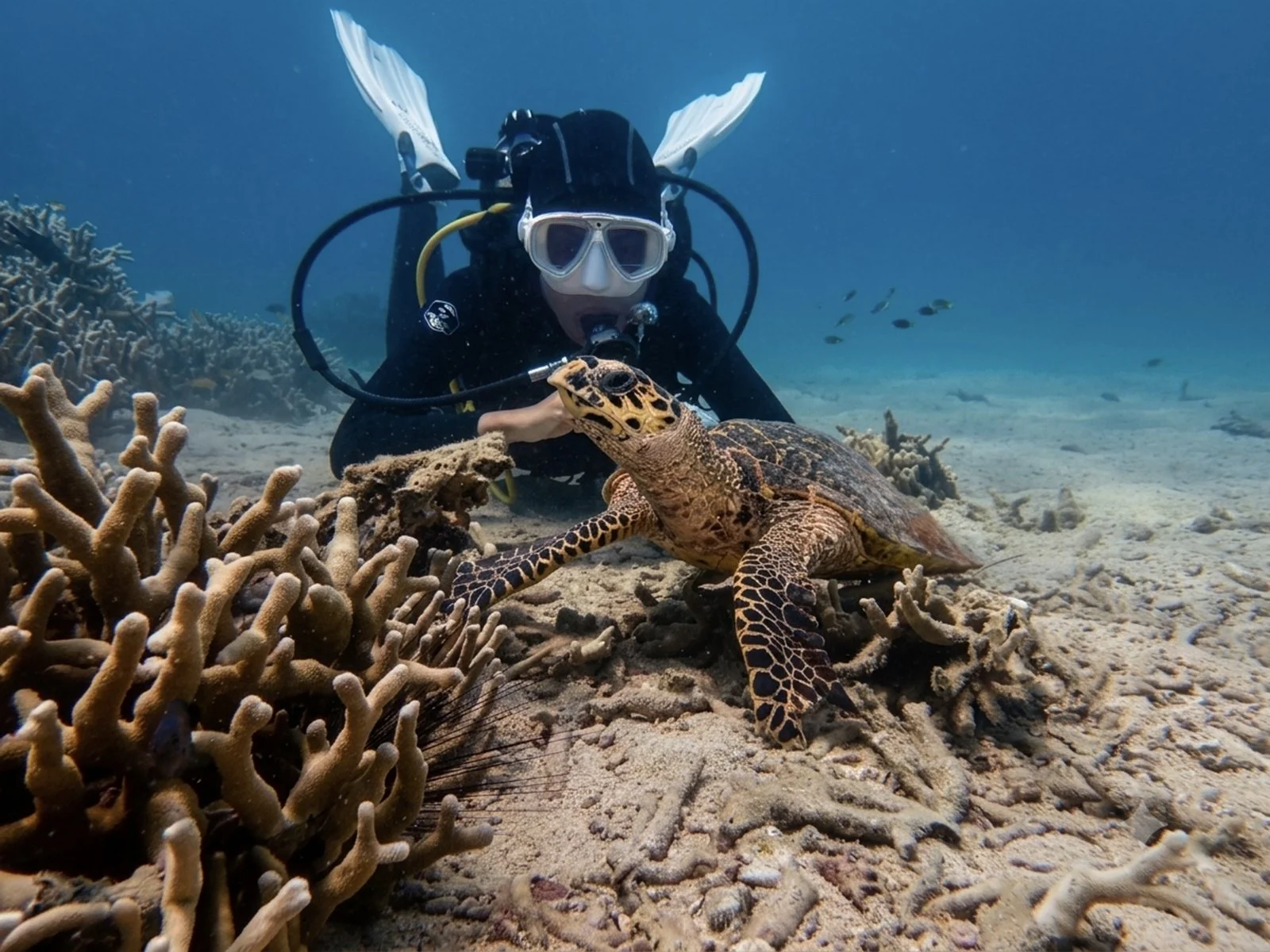
Day 4 · Coral reef ecology: reef surveys by snorkelling, biodiversity assessments, impact evaluation.
Day 5 · Data analysis and presentation: statistical analysis, graphing, presentation of findings.
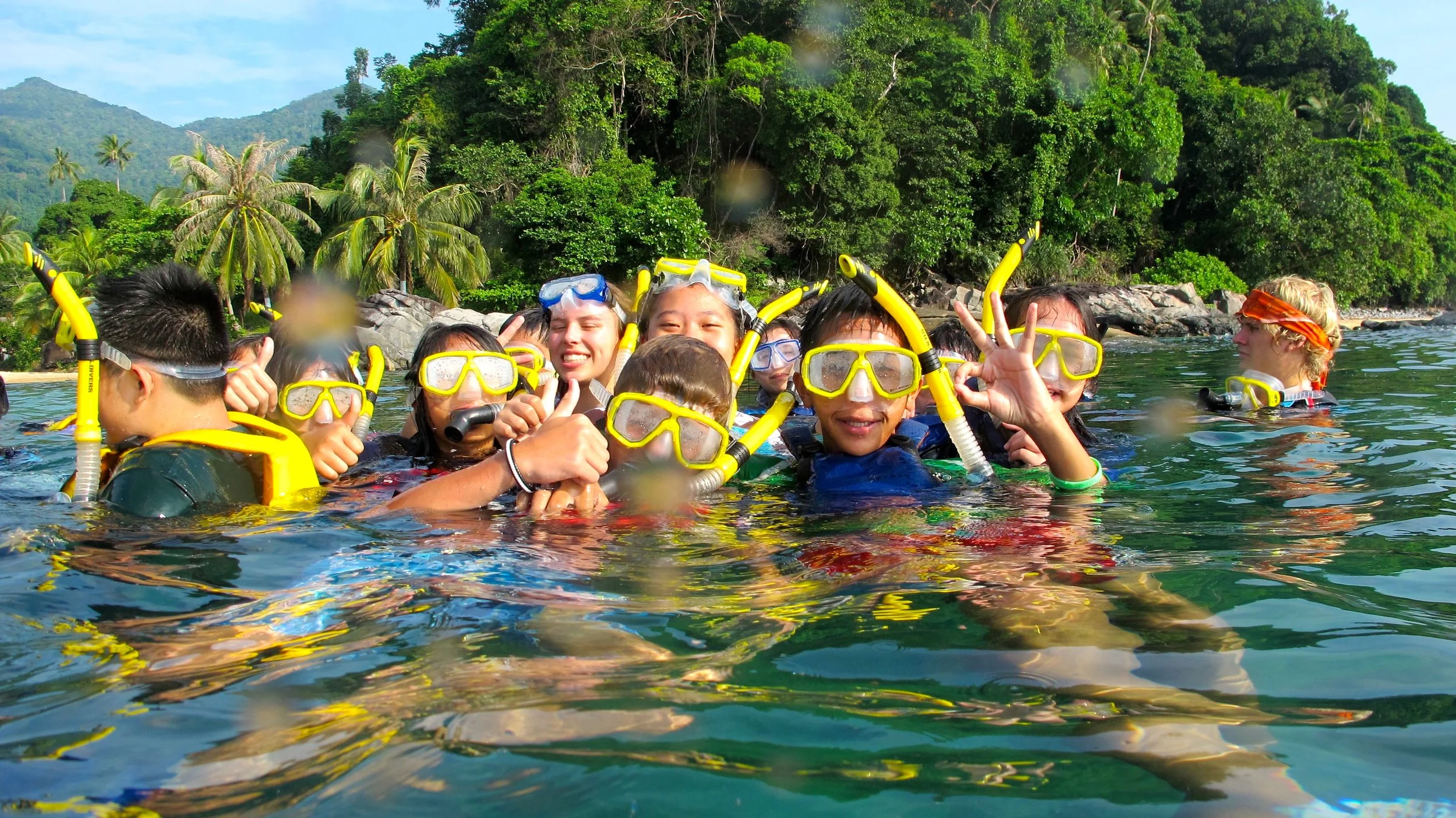
Group conservation experiences
Not every group needs a full field course. Sessions can be designed for a morning, an afternoon or a full day, depending on your interests, age range, objectives and the time you have.
Planning your visit
Programmes are delivered with Little Planet Outdoor Education, which brings established safety standards, experienced instructors and structured supervision. Accommodation is in a beachfront setting with full board, and every field site is accessible on foot.
Every programme is built around your group size, age and ability, available time, curriculum or course specification, CSR objectives and the conservation themes you want to focus on.
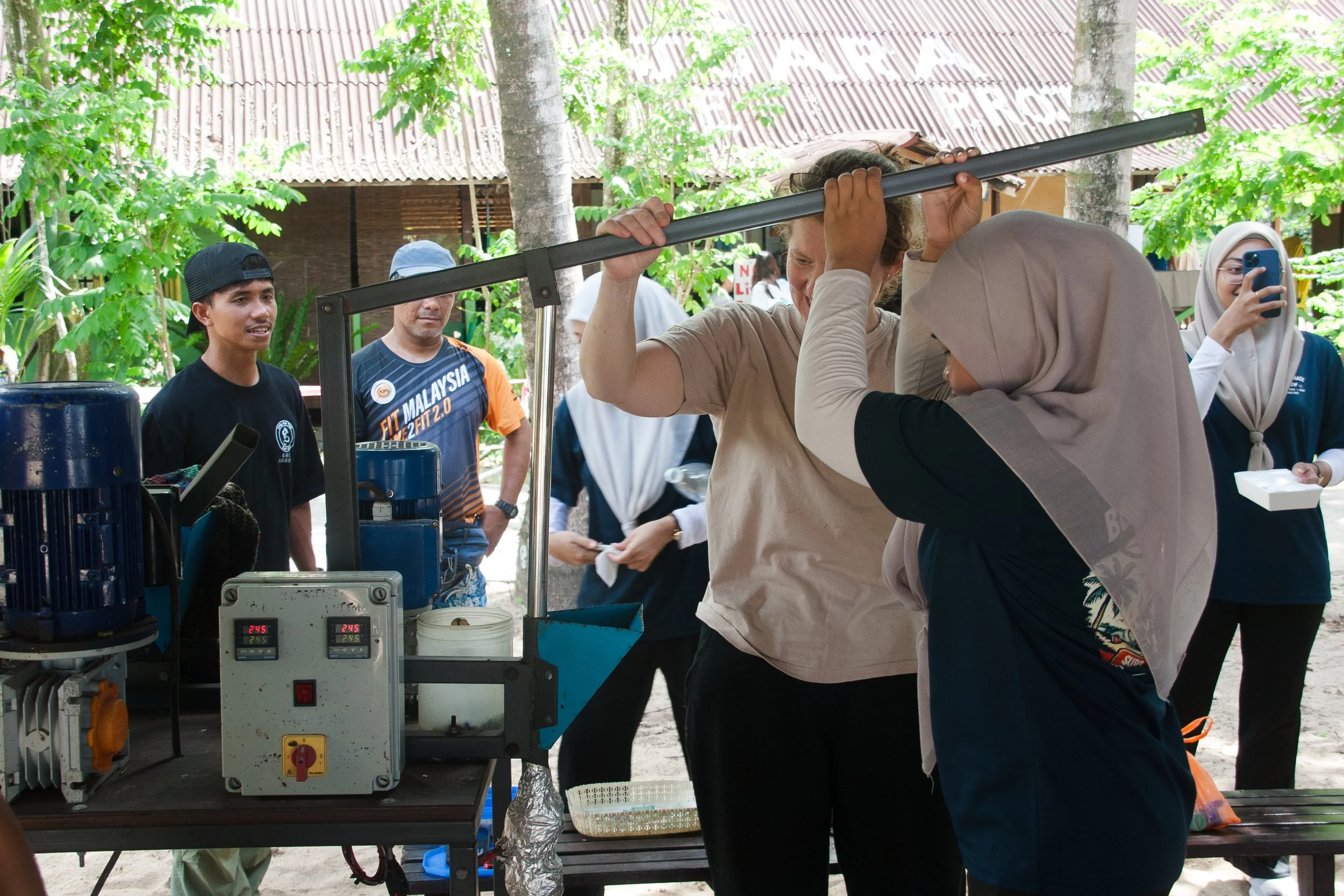
Short visits · School groups · CSR and corporate groups
-
![]()
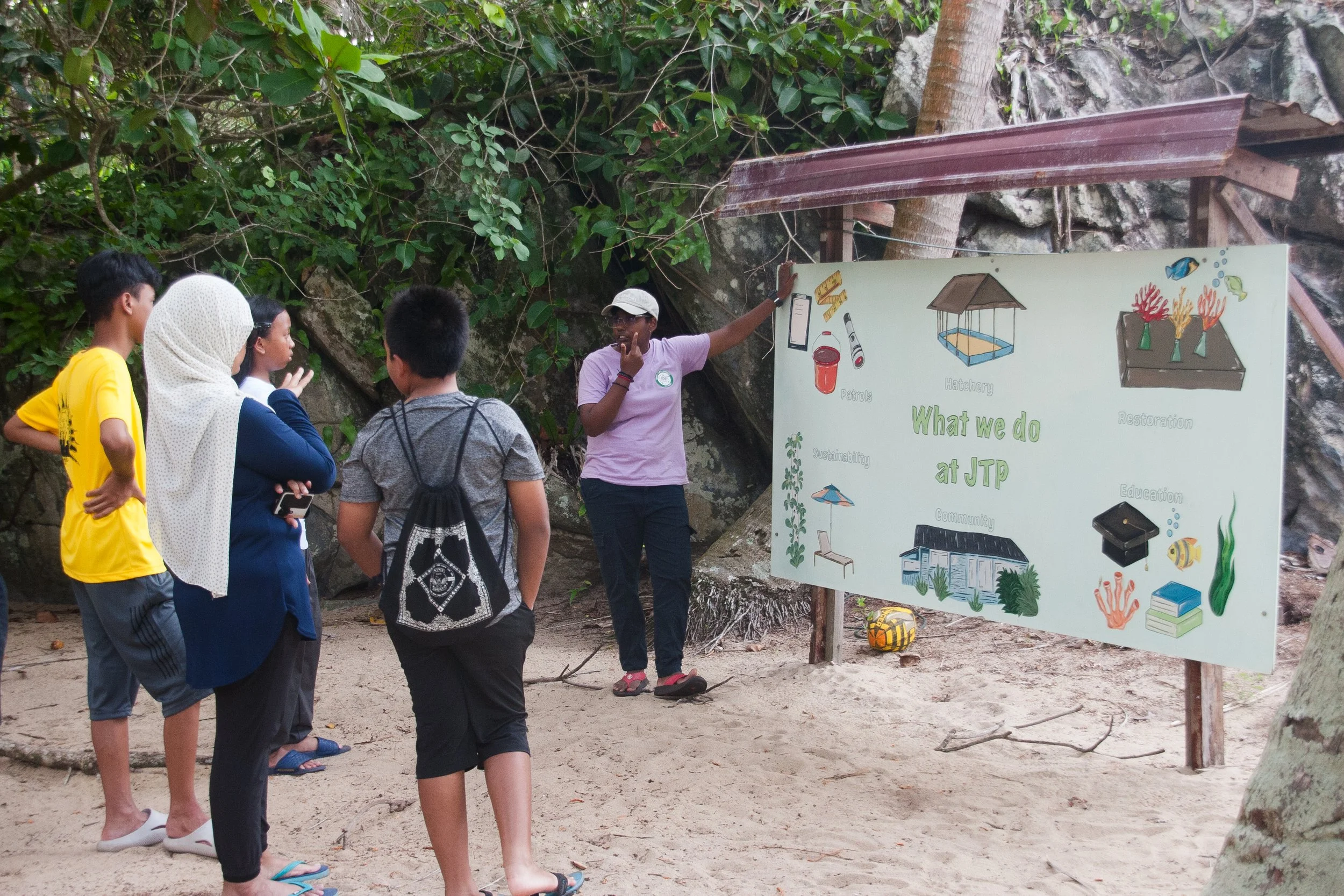
JTP Conservation Activity Rotation
Approximately 2 hours. Groups split into smaller teams and rotate through three activities of around 35 minutes each.
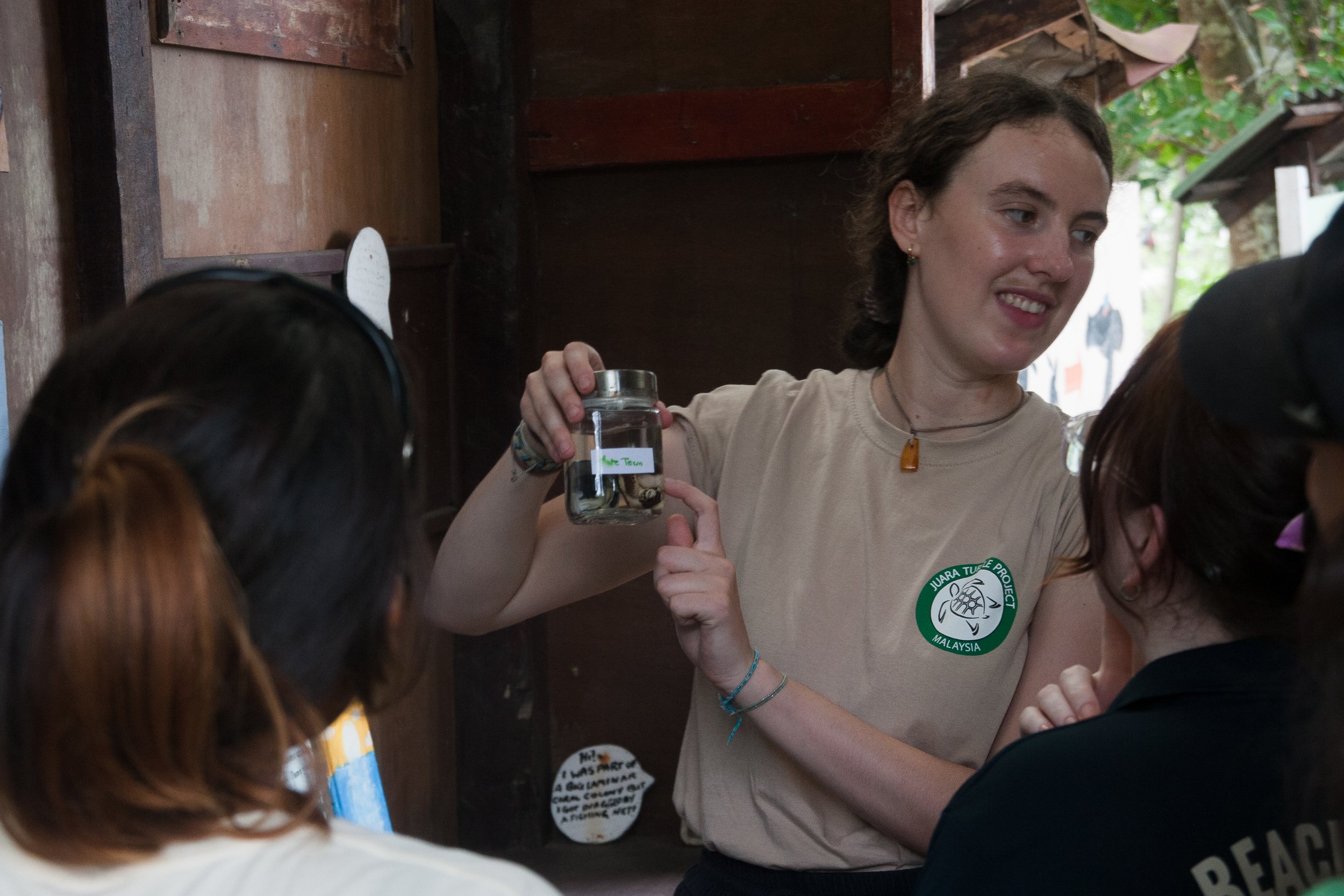
Conservation tour · turtle biology and life cycles, green and hawksbill turtles, migration, the threats turtles face and how we protect them, plus our mini museum
Egg relocation workshop · on Juara Beach, using a model nesting turtle and simulated eggs to learn how our team handles eggs, prepares a nest chamber, relocates and records
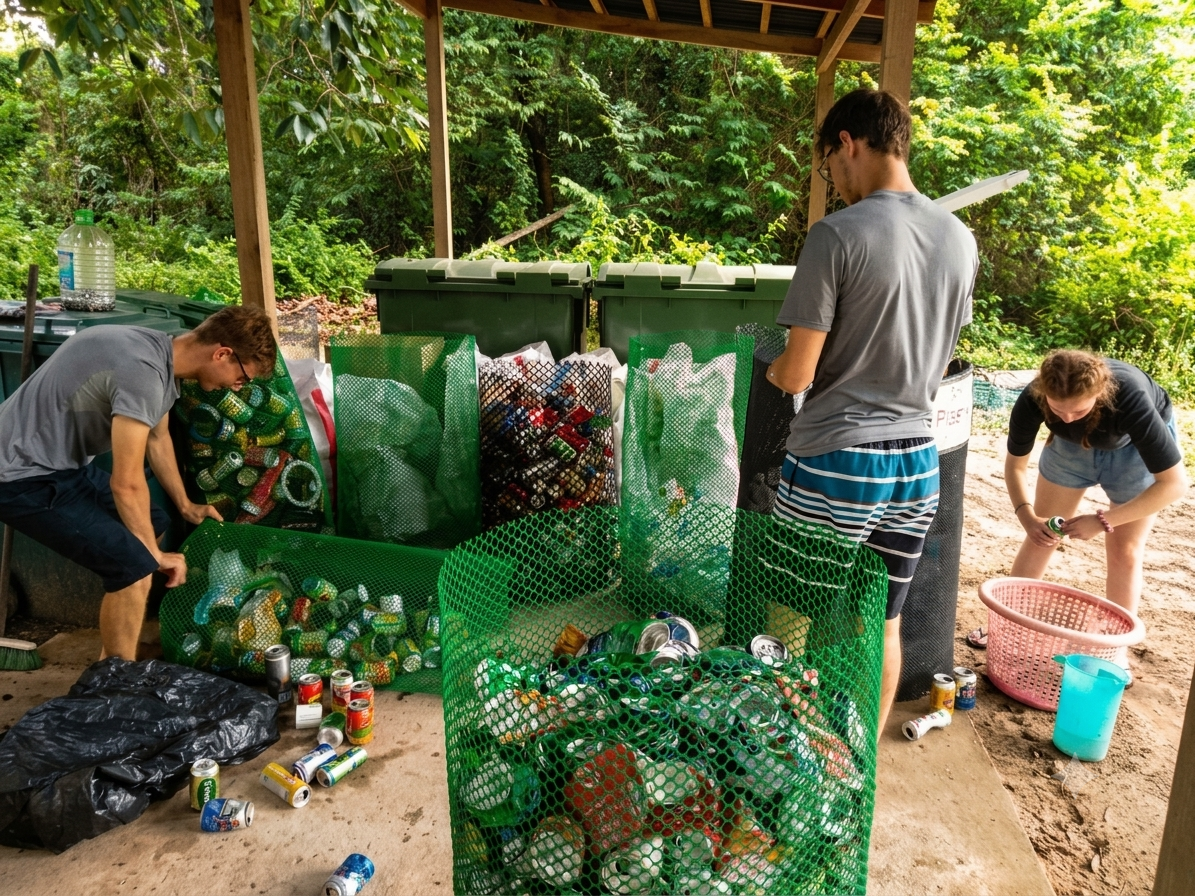
Plastic upcycling workshop · sorting and cleaning waste plastic, operating our upcycling equipment and making a recycled turtle themed product to take home
-
![]()
Turtle Ranger Challenge
Approximately 1 to 1.5 hours. An immersive conservation mission inspired by Amazing Race and escape room formats.
A storm has destroyed the previous night's turtle patrol records. Four turtles nested on Juara Beach, but their nest locations and identification data have been lost. Working as Junior Turtle Rangers, teams move through interactive stations, solve codebreaker puzzles, use measurement and triangulation to locate a hidden nest, excavate the chamber, then identify the individual mother through facial scale patterns before submitting their final ranger report.
The session finishes with a short debrief connecting the challenge to our real conservation work.
Frequently Asked Questions
-
Marine biology, ecology, and environmental science students, gap-year participants, aspiring field researchers, early-career conservationists, and career changers. Anyone wanting to build practical skills, confidence, and leadership in conservation.
-
The Sea Turtle Conservation Internship focuses on field research and conservation management. The Marine Conservation & Research Diving Internship adds professional dive training and underwater survey skills. Choose based on your interests and whether you want to dive.
-
Two options: a six-week core programme, or a twelve-week leadership programme that adds advanced training, mentoring, and a legacy project. You can stay for shorter/custom lengths, but this will restrict how much of the course you will receive.
-
No. The pathways take you from the fundamentals upward, so a genuine interest in conservation and a willingness to learn matter most. Diving interns progress through certifications regardless of starting level.
-
A JTP completion certificate signed by our CEO, a personalised professional reference, and a verified competency record. Diving interns also gain recognised diving and ecological certifications.